

Naples Naples 3 cavalli, 1631-1638
Description:
3 cavalli Naples 3 cavalli, 1631-1638 coin from Naples. Design, history & value.
Introduction
The Naples 3 cavalli coin minted between 1631 and 1638 holds a significant place in the numismatic history of the Kingdom of Naples. This copper coin is not only a symbol of economic transactions but also a reflection of the political and cultural landscape of the period.
Historical Background
Issued by the Kingdom of Naples, the 3 cavalli coin was a crucial part of the monetary system in the region during the early 17th century. The reign of Philip IV of Spain, who ruled Naples from 1621 to 1734, saw the production of these distinctive coins. The 3 cavalli denomination was a common choice for everyday transactions, emphasizing the importance of smaller denominations in the local economy.
Coin Images
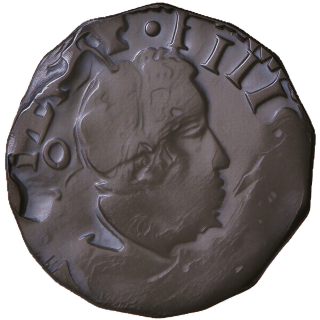 Obverse
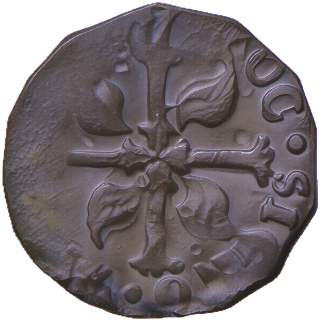 Reverse
Design Features
The obverse of the Naples 3 cavalli coin features the inscription "PHILIPP IIII D G R S," indicating the authority of Philip IV as the ruler. On the reverse side, the powerful Latin phrase "IN HOC SIGNO VINCES" (In this sign, you will conquer) is prominently displayed, adding a touch of religious and historical significance to the coin.
Technical Specifications
This copper coin has a weight of 2.67 grams and a diameter of 20.00mm, making it a relatively small but substantial piece in terms of its composition. The size and weight were standardized to ensure uniformity and ease of use in everyday transactions.
Collectible Value
The Naples 3 cavalli coin from 1631-1638 holds a special place in the hearts of collectors due to its historical importance and unique design elements. While its market value may vary based on factors such as condition and rarity, this coin is a valuable addition to any numismatic collection. Its scarcity and connection to the Kingdom of Naples make it a sought-after piece among enthusiasts.
Conclusion
In conclusion, the Naples 3 cavalli copper coin minted between 1631 and 1638 is a remarkable numismatic artifact that offers a glimpse into the economic and cultural landscape of the Kingdom of Naples during the early 17th century. With its intriguing design features and historical significance, this coin continues to captivate collectors and historians alike, serving as a tangible link to a bygone era of numismatic heritage.

ScanMyCoin: AI Coin Recognition
Professional AI coin recognition and collection management platform. Identify, learn, and track your coin collection with advanced AI technology and a vast.