

Mecklenburg-Strelitz Mecklenburg-Strelitz ¹⁄₁₂ thaler, 1748-1749
Description:
¹⁄₁₂ thaler Mecklenburg-Strelitz ¹⁄₁₂ thaler, 1748-1749 coin from Mecklenburg-Strelitz. Design, history & value.
Introduction
The Mecklenburg-Strelitz ¹⁄₁₂ thaler, minted between 1748-1749, holds a significant place in numismatic history. As a product of the Duchy of Mecklenburg-Strelitz, this silver coin bears witness to the region's economic and political landscape during the mid-18th century.
Historical Background
Mecklenburg-Strelitz, a small German duchy, had a rich numismatic tradition, with coins minted to serve local trade and commerce. The issuance of the ¹⁄₁₂ thaler in 1748-1749 underlines the duchy's autonomy in minting currency and reflects its economic stability during that period.
Coin Images
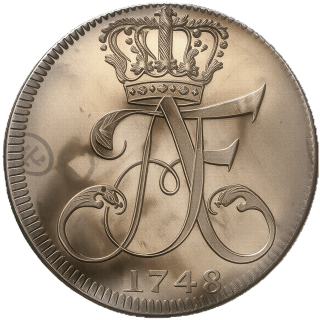 Obverse
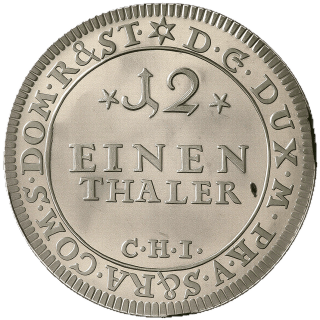 Reverse
Design Features
The obverse of the coin features the initials "HCB" for Heinrich Christoph Baumgarten, the coin's creator. The reverse side displays the denomination "12 EINEN THALER," emphasizing its fractional value within the thaler system. The intricate detailing and craftsmanship of the designs make this coin a remarkable piece of artistry.
Technical Specifications
This silver coin measures [specify size] and weighs [specify weight] grams. Being composed of silver, it boasts a purity that aligns with the standards of its time. The coin's specifications not only contribute to its intrinsic value but also provide insights into the minting techniques prevalent during the 18th century.
Collectible Value
Due to its historical significance and limited mintage, the Mecklenburg-Strelitz ¹⁄₁₂ thaler from 1748-1749 holds substantial collectible value. Numismatists and coin collectors covet this piece for its rarity and unique design elements. Its market value reflects both its historical importance and its desirability among collectors.
Conclusion
In conclusion, the Mecklenburg-Strelitz ¹⁄₁₂ thaler of 1748-1749 stands as a testament to the numismatic heritage of Mecklenburg-Strelitz. Its exquisite design, historical relevance, and collectible value make it a prized possession for both collectors and enthusiasts of numismatics. This silver coin encapsulates a bygone era, offering a glimpse into the artistic and economic milieu of 18th-century Germany.

ScanMyCoin: AI Coin Recognition
Professional AI coin recognition and collection management platform. Identify, learn, and track your coin collection with advanced AI technology and a vast.