
Mecklenburg-Schwerin Mecklenburg-Schwerin 2 schilling, 1763-1778
Description:
2 schilling Mecklenburg-Schwerin 2 schilling, 1763-1778 coin from Mecklenburg-Schwerin. Design, history & value.
Introduction
The Mecklenburg-Schwerin 2 Schilling coin, minted between 1763 and 1778, holds a significant place in numismatic history. As a product of the Duchy of Mecklenburg-Schwerin, this silver coin not only serves as a representation of the region's economic and political landscape at the time but also stands as a testament to the artistry and craftsmanship of the era.
Historical Background
The Duchy of Mecklenburg-Schwerin, located in present-day northern Germany, issued its own coinage during the late 18th century. The 2 Schilling denomination was a crucial part of the monetary system, facilitating trade and commerce within the duchy. These coins were minted under the authority of Mecklenburg-Schwerin, bearing witness to the region's autonomy and economic stability during that period.
Coin Images
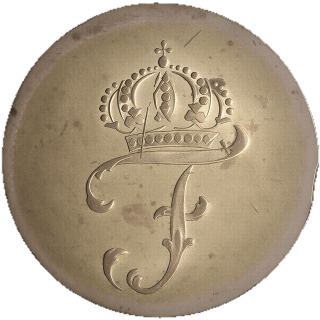 Obverse
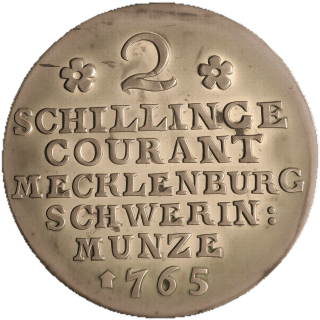 Reverse
Design Features
The obverse of the Mecklenburg-Schwerin 2 Schilling coin features a regal depiction, likely representative of the ruling authority of the duchy. On the reverse, the inscription "2 SCHILLINGE COURANT / MECKLENBURG SCHWERIN MUNZE" signifies the denomination and minting origin of the coin. The designs embody the artistic flair of the time, reflecting the cultural and political nuances of Mecklenburg-Schwerin.
Technical Specifications
This silver coin weighs 1.97g with a diameter of 21.00mm, making it a compact yet valuable piece of numismatic history. Composed of 0.437 silver, the coin showcases a blend of purity and durability that was characteristic of coins from this era. The technical specifications add to the allure of this coin for collectors and enthusiasts alike.
Collectible Value
The Mecklenburg-Schwerin 2 Schilling coin holds both historical and collectible value in the numismatic community. Its limited mintage period and connection to a specific region make it a sought-after piece for collectors interested in European coinage. The rarity level of this coin further enhances its desirability, with its market value reflecting its historical significance and scarcity.
Conclusion
In conclusion, the Mecklenburg-Schwerin 2 Schilling silver coin from the years 1763-1778 remains a captivating piece of numismatic heritage. Its blend of historical context, intricate design, and technical specifications make it a prized addition to any coin collection. By understanding the history and significance of this coin, collectors can appreciate its value beyond its monetary worth, embracing it as a tangible link to the past. By following this detailed guide, numismatists and coin enthusiasts can delve into the world of Mecklenburg-Schwerin coinage, uncovering the stories and artistry encapsulated within each piece of history.

ScanMyCoin: AI Coin Recognition
Professional AI coin recognition and collection management platform. Identify, learn, and track your coin collection with advanced AI technology and a vast.