

Mamluk Sultanate Fals - al-Nāṣir Muhammad I (Halab)
Description:
1 Fals Fals - al-Nāṣir Muhammad I (Halab) coin from Mamluk Sultanate. Design, history & value.
Title: Mamluk Sultanate Fals - al-Nāṣir Muhammad I (Halab) 1 Fals Copper Coin Description: Explore the detailed features and historical significance of the Mamluk Sultanate Fals featuring al-Nāṣir Muhammad I from Halab. Keywords: Mamluk Sultanate, Fals coin, al-Nāṣir Muhammad I, 1 Fals, Copper coin, Halab, Numismatics, Medieval coins Main Content:
Introduction
The Mamluk Sultanate coinage holds a unique place in the world of numismatics, symbolizing the rich history and cultural heritage of the Islamic world. Amongst these treasures is the Fals coin featuring al-Nāṣir Muhammad I from Halab, a testament to the artistic and historical legacy of the Mamluk era.
Historical Background
Issued in 1317, the Fals coins of the Mamluk Sultanate were circulated during the reign of al-Nāṣir Muhammad I in Halab (modern-day Aleppo, Syria). The Mamluks, a warrior caste that ruled Egypt and the Levant, produced coins of exquisite craftsmanship and historical significance.
Coin Images
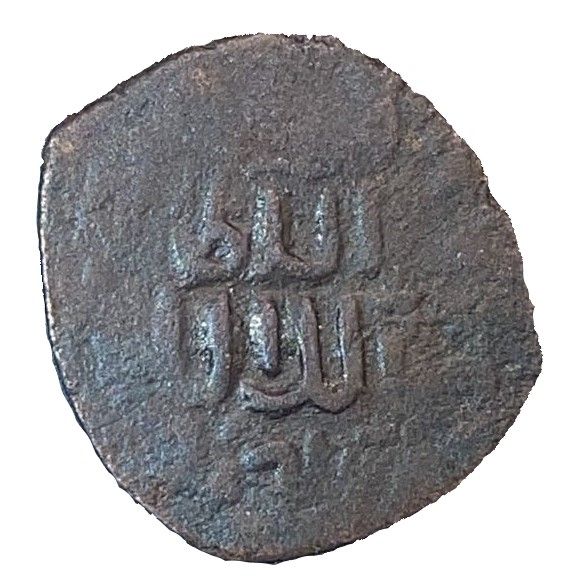 Obverse
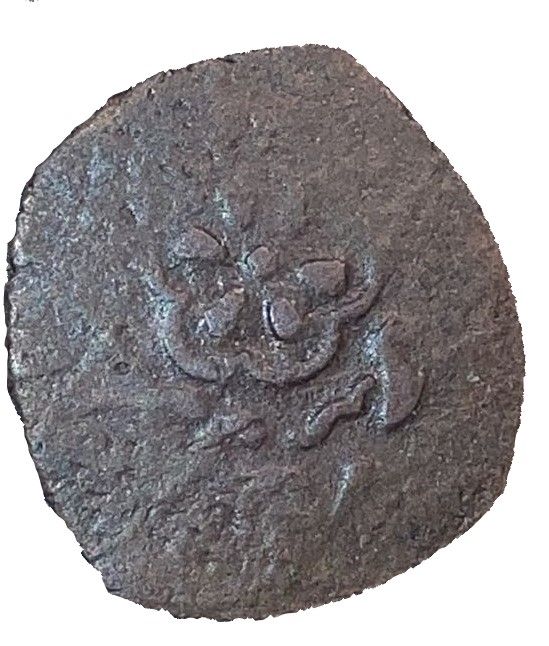 Reverse
Design Features
The obverse of the Fals coin showcases intricate detailing with a circle of small diamonds between two circular lines. The center features inscriptions on three lines, reflecting the calligraphic artistry of the Mamluk period. On the reverse, a similar border of small diamonds encases a counter-clockwise marginal legend. At the center lies a six-petaled rosette with a central pellet, enclosed in a linear hexalobe design, exemplifying the geometric elegance characteristic of Mamluk coinage.
Technical Specifications
This 1 Fals coin of the Mamluk Sultanate weighs 2.78g and has a diameter of 21.50mm. Crafted from copper, the coin's composition speaks to the metallurgical expertise of Mamluk minters. The precise specifications of these coins add to their allure for collectors and historians alike.
Collectible Value
The Mamluk Fals coins, especially those minted under al-Nāṣir Muhammad I in Halab, are highly sought after by numismatists and collectors. Their historical significance, coupled with their intricate designs, elevates their value in the numismatic world. The rarity of these coins further enhances their collectibility, making them prized additions to any coin collection.
Conclusion
In conclusion, the Mamluk Sultanate Fals featuring al-Nāṣir Muhammad I from Halab represents a fascinating blend of history, art, and numismatics. These coins stand as a testament to the skilled craftsmanship and cultural richness of the Mamluk era, making them not just artifacts of currency but windows into a bygone era of Islamic civilization. This detailed exploration of the Mamluk Fals coin serves to underscore its importance in the realm of numismatics and its enduring appeal to collectors and enthusiasts worldwide.

ScanMyCoin: AI Coin Recognition
Professional AI coin recognition and collection management platform. Identify, learn, and track your coin collection with advanced AI technology and a vast.