
Liège Liège 1 patagon, 1771
Description:
1 patagon Liège 1 patagon, 1771 coin from Liège. Design, history & value.
Introduction
The Liège 1 patagon coin minted in 1771 is a fascinating numismatic treasure that offers a glimpse into the rich history of the Prince-Bishopric of Liège. This silver coin stands out for its historical significance, intricate design, and collectible value, making it a prized possession for coin enthusiasts and collectors alike.
Historical Background
During the period of 1650 to 1794, the Prince-Bishopric of Liège issued its own coinage, reflecting the region's autonomy and ecclesiastical authority. The Liège 1 patagon coin was part of this coinage system, symbolizing the economic and political influence of the Bishopric in the region.
Coin Images
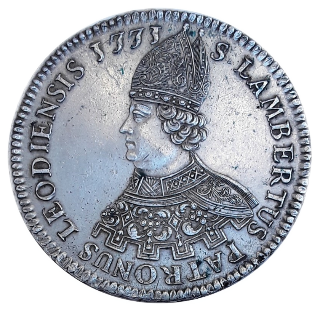 Obverse
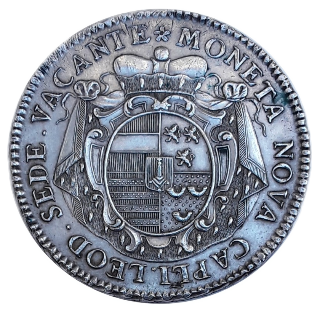 Reverse
Design Features
The obverse of the Liège 1 patagon coin features the inscription "S LAMBERTUS PATRONUS LEODIENSIS," honoring Saint Lambert, the patron saint of Liège. The reverse showcases the Latin phrase "MONETA NOVA CAPLI LEOD SEDE VACANTE," indicating the issuance of new coinage during a vacant see in Liège.
Technical Specifications
- Denomination: 1 patagon
- Country/Issuer: Liège
- Issuing Authority: Liège
- Category: Prince-Bishopric of Liège (1650 - 1794)
- Composition: Silver 0.875
- Weight: 28.10g
- Diameter: 40.00mm
Collectible Value
The Liège 1 patagon coin from 1771 holds significant collectible value due to its historical context, limited mintage, and silver composition. As a rare piece from the Prince-Bishopric era, this coin is sought after by numismatists for its cultural relevance and scarcity in the market. The combination of historical significance and aesthetic appeal makes it a prized addition to any coin collection.
Conclusion
In conclusion, the Liège 1 patagon coin minted in 1771 is a remarkable numismatic specimen that encapsulates the essence of the Prince-Bishopric of Liège. Its intricate design, historical importance, and rarity make it a must-have for collectors interested in European coinage history. Owning this silver coin not only adds value to a collection but also serves as a tangible link to the rich heritage of Liège during the 18th century.

ScanMyCoin: AI Coin Recognition
Professional AI coin recognition and collection management platform. Identify, learn, and track your coin collection with advanced AI technology and a vast.