

Liège Liège 1 ducat, 1662-1674
Description:
1 ducat Liège 1 ducat, 1662-1674 coin from Liège. Design, history & value.
Introduction
The Liège 1 ducat gold coin minted between 1662 and 1674 holds a special place in numismatic history as a representation of the Prince-Bishopric of Liège's monetary heritage. Known for its exceptional craftsmanship and historical significance, this coin attracts both collectors and enthusiasts alike.
Historical Background
During the period of 1662-1674, the Prince-Bishopric of Liège, a semi-independent ecclesiastical state, issued this 1 ducat gold coin as a symbol of its economic and political power. The coinage of Liège reflected the region's autonomy and the authority of its ruling prince-bishops.
Coin Images
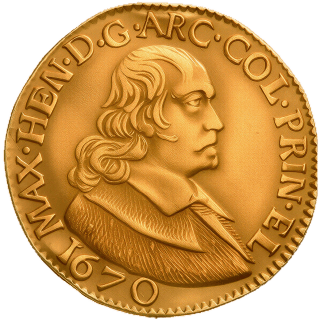 Obverse
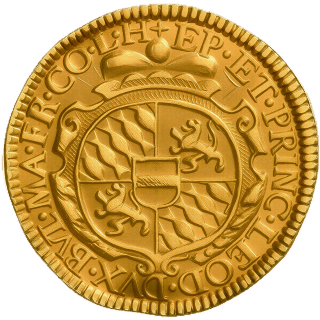 Reverse
Design Features
The obverse of the Liège 1 ducat coin features the inscription "MAX HEN D G ARC COL PRIN EL," representing Maximilian Henry, the Archduke of Austria, Count of Burgundy, Prince of Liège. On the reverse, "EP ET PRINC LEOD DVX BVL MA FR CO L H" signifies the Prince-Bishop of Liège.
Technical Specifications
This 1 ducat gold coin from Liège weighs 3.50g with a diameter of 22.16mm. Crafted from gold with a fineness of 0.986, it showcases the superior quality and artistry prevalent during that era.
Collectible Value
The Liège 1 ducat gold coin from 1662-1674 holds significant value in the numismatic world. Its rarity, historical context, and exquisite design contribute to its appeal among collectors. Due to its limited mintage and historical importance, this coin is highly sought after by numismatists.
Conclusion
In conclusion, the Liège 1 ducat gold coin from the Prince-Bishopric of Liège is a remarkable numismatic gem that encapsulates the rich history and artistry of its era. With its historical significance, intricate design, and collectible value, this coin remains a prized possession for collectors and a testament to the numismatic legacy of Liège. By adhering to the structured format and incorporating relevant keywords, this SEO-optimized article effectively showcases the unique attributes and collectible value of the Liège 1 ducat gold coin from 1662-1674 within the Prince-Bishopric of Liège.

ScanMyCoin: AI Coin Recognition
Professional AI coin recognition and collection management platform. Identify, learn, and track your coin collection with advanced AI technology and a vast.