

Japan Japan 50 sen, 1928-1938
Description:
50 sen Japan 50 sen, 1928-1938 coin from Japan. Design, history & value.
1. Introduction
The Japan 50 sen coin minted between 1928 and 1938 during the Showa era represents a significant piece of Japanese numismatic history. This silver coin holds immense historical importance and is highly sought after by collectors worldwide.
2. Historical Background
Issued by Japan during the reign of Emperor Hirohito, this 50 sen coin was part of the country's currency system during a crucial period in Japanese history. The Showa era witnessed rapid industrialization and modernization in Japan, making these coins a tangible link to that transformative era.
3. Design Features
The obverse of the Japan 50 sen coin features the inscription "五十錢" (50 sen) in Japanese characters, surrounded by intricate designs typical of the era. On the reverse side, the coin displays the characters "本日大," adding to its visual appeal and cultural significance.
4. Technical Specifications
This coin, crafted from 0.720 silver, weighs 4.95g and has a diameter of 23.50mm. The precision in its design and specifications reflects the attention to detail characteristic of Japanese minting traditions.
5. Collectible Value
The Japan 50 sen silver coin from 1928-1938 holds both historical and collectible significance. Due to its limited mintage and the passage of time, these coins have become increasingly rare, driving up their market value. Collectors covet these coins for their historical value and aesthetic appeal, making them prized possessions in any numismatic collection.
6. Conclusion
In conclusion, the Japan 50 sen silver coin from the Showa era encapsulates a pivotal period in Japanese history. Its exquisite design, historical relevance, and scarcity make it a coveted item among collectors and enthusiasts. Owning a piece of this numismatic treasure not only adds value to a collection but also serves as a tangible connection to Japan's rich cultural heritage. Invest in the Japan 50 sen coin to own a piece of history and witness the beauty of Japanese numismatics firsthand.
Coin Images
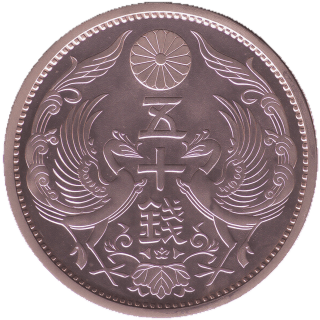 Obverse
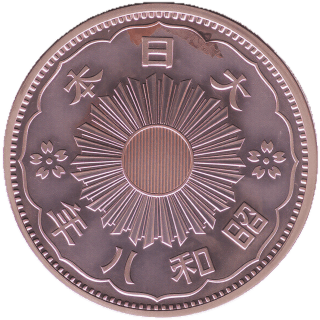 Reverse

ScanMyCoin: AI Coin Recognition
Professional AI coin recognition and collection management platform. Identify, learn, and track your coin collection with advanced AI technology and a vast.