

Japan Japan 50 sen, 1922-1926
Description:
50 sen Japan 50 sen, 1922-1926 coin from Japan. Design, history & value.
1. Introduction
The Japan 50 sen coin minted between 1922 and 1926 holds a special place in numismatic history due to its intricate designs, historical relevance, and valuable silver composition.
2. Historical Background
Issued under the reign of Emperor Yoshihito, known as the Taishō era, these coins were part of Japan's monetary system during a transformative period in the country's history. The era marked a shift towards modernization and cultural reformation.
3. Design Features
The obverse of the coin features the characters "本日大" (Honjitsu Dai) denoting the face value of the coin. The reverse showcases the inscription "五十錢" (50 sen) surrounded by ornate patterns typical of Japanese coinage of that time.
4. Technical Specifications
This 50 sen coin is composed of 72% silver, weighs 4.95 grams, and has a diameter of 23.50mm. The use of silver gives the coin a distinctive appearance and adds to its collectible value.
5. Collectible Value
Due to its silver content and historical significance, the Japan 50 sen coin from the Taishō era is highly sought after by collectors. Its scarcity, coupled with the intricate design elements, makes it a prized possession for numismatists worldwide. The market value of these coins can vary based on factors such as condition, rarity, and demand in the collecting community.
6. Conclusion
In conclusion, the Japan 50 sen coin from 1922-1926 is not just a piece of currency but a tangible link to Japan's past. Its unique design, silver composition, and historical context make it a valuable addition to any coin collection. Whether for its aesthetic appeal or investment potential, this coin encapsulates a fascinating chapter in Japanese numismatic history. By delving into the intricacies of the Japan 50 sen coin from the Taishō era, collectors and enthusiasts can appreciate the artistry, history, and value that this coin represents.
Coin Images
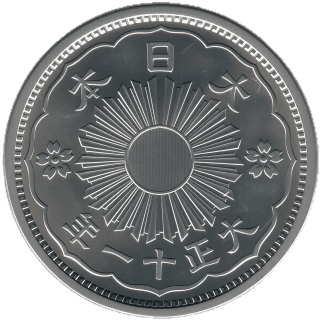 Obverse
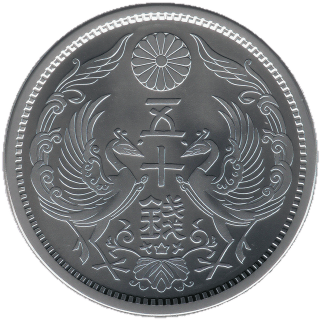 Reverse

ScanMyCoin: AI Coin Recognition
Professional AI coin recognition and collection management platform. Identify, learn, and track your coin collection with advanced AI technology and a vast.