

Japan Japan 1 yen, 1955-1989
Description:
1 yen Japan 1 yen, 1955-1989 coin from Japan. Design, history & value.
1. Introduction
The Japan 1 yen coin minted between 1955 and 1989 holds a special place in numismatic history. As a product of the Showa era, this aluminum coin represents a significant period in Japanese history and coinage evolution.
2. Historical Background
Issued by Japan, the 1 yen coin circulated during the reign of Emperor Hirohito, known as the Showa period. This era witnessed Japan's post-war recovery and economic resurgence, making these coins a tangible link to the country's revival.
3. Design Features
The obverse of the coin features the characters "一円" (1 yen) and "日本国" (Japan) encircling the denomination. The reverse side showcases the numeral "1," symbolizing the coin's value. The simplicity and elegance of the design reflect Japanese aesthetic traditions.
4. Technical Specifications
This 1 yen coin weighs 1.00g and has a diameter of 20.00mm. Crafted from aluminum, these coins are lightweight and durable, suitable for everyday transactions during the Showa era.
5. Collectible Value
Despite its low face value, the Japan 1 yen aluminum coin holds significant collecting appeal. Its historical importance, association with a transformative period in Japan, and unique aluminum composition make it sought after by collectors. While common in circulation, well-preserved specimens or rare varieties can command higher prices in the numismatic market.
6. Conclusion
In conclusion, the Japan 1 yen aluminum coin from 1955-1989 stands as a testament to Japan's resilience and progress during the Showa era. Its simple yet iconic design, historical significance, and collectible value make it a prized addition to any coin collection, offering a glimpse into Japan's cultural and economic heritage. By delving into the details of the Japan 1 yen aluminum coin, collectors and enthusiasts can appreciate its intrinsic value and the rich history it represents within the realm of numismatics.
Coin Images
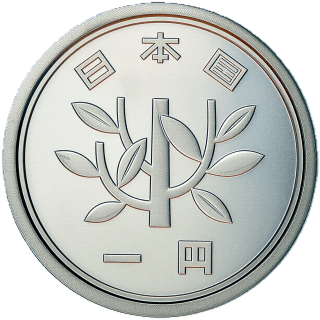 Obverse
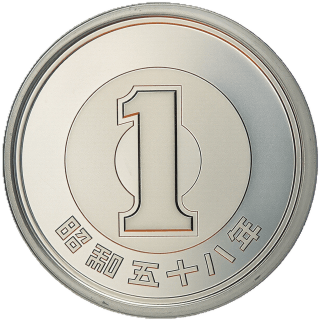 Reverse

ScanMyCoin: AI Coin Recognition
Professional AI coin recognition and collection management platform. Identify, learn, and track your coin collection with advanced AI technology and a vast.