

Italy Italy 20 centesimi, 1894-1895
Description:
20 centesimi Italy 20 centesimi, 1894-1895 coin from Italy. Design, history & value.
Introduction
The Italy 20 centesimi coin, minted between 1894 and 1895, holds a significant place in Italian numismatic history. Issued during the reign of King Umberto I, this copper-nickel denomination boasts intricate designs and historical importance.
Historical Background
Italy, during the late 19th century, was undergoing a period of political and social transformation. King Umberto I's reign was marked by industrial growth and territorial expansion, making coins from this era a reflection of the country's evolving identity.
Coin Images
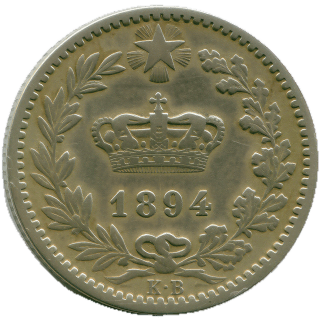 Obverse
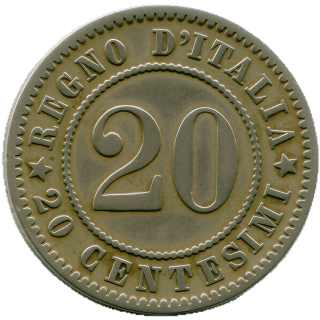 Reverse
Design Features
The obverse of the Italy 20 centesimi coin showcases a captivating depiction of crowns, a star, and a wreath symbolizing power and unity. On the reverse, the inscription "20 CENTESIMI" alongside "REGNO D'ITALIA" reinforces the coin's nationalistic pride.
Technical Specifications
Weighing 4.00g and measuring 21.00mm in diameter, this coin's copper-nickel composition adds to its durability and aesthetic appeal. The precise striking of the designs highlights the craftsmanship of Italian minting during that period.
Collectible Value
As a numismatic collectible, the Italy 20 centesimi coin from the King Umberto I era holds both historical and monetary value. Its rarity and historical significance make it a sought-after piece among coin enthusiasts and collectors. Depending on the coin's condition and provenance, its market value can vary, with well-preserved specimens commanding higher prices.
Conclusion
In conclusion, the Italy 20 centesimi coin from 1894-1895 under King Umberto I's reign stands as a testament to Italy's rich numismatic heritage. Its intricate design, historical context, and collectible value make it a prized possession for both seasoned collectors and enthusiasts exploring the beauty of Italian currency. By delving into the details of this coin's design, history, and collectible allure, one can appreciate the artistry and significance encapsulated within the Italy 20 centesimi coin of the late 19th century.

ScanMyCoin: AI Coin Recognition
Professional AI coin recognition and collection management platform. Identify, learn, and track your coin collection with advanced AI technology and a vast.