

India - British India - British ¼ anna, 1940-1942
Description:
¼ anna India - British ¼ anna, 1940-1942 coin from India - British. Design, history & value.
Introduction
The India British ¼ Anna coin, minted between 1940 and 1942 during the reign of King George VI, holds a significant place in numismatic history. This bronze coin not only symbolizes the colonial era but also showcases the intricate designs prevalent during that period.
Historical Background
Issued by British India, the ¼ Anna coin featuring King George VI as the emperor served as a common denomination for everyday transactions. The era marked by World War II and India's struggle for independence adds historical depth to this numismatic treasure.
Coin Images
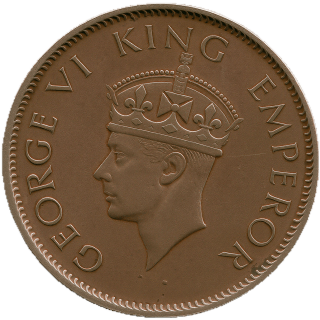 Obverse
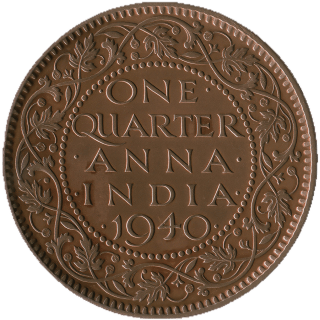 Reverse
Design Features
The obverse of the coin bears the inscription "GEORGE VI KING EMPEROR," highlighting the monarch's title during that period. On the reverse side, the coin displays "INDIA" above "ONE QUARTER ANNA," emphasizing the coin's denomination and origin.
Technical Specifications
Weighing 4.86 grams and measuring 25.30mm in diameter, this bronze coin exemplifies meticulous craftsmanship. The choice of bronze as the composition adds durability and a distinct reddish-brown hue to this historic artifact.
Collectible Value
The India British ¼ Anna coin from 1940 to 1942 is a sought-after collectible among numismatists due to its historical significance and association with a crucial period in India's past. Its market value varies based on factors like condition, rarity, and demand, making it a valuable addition to any collection.
Conclusion
In conclusion, the India British ¼ Anna coin minted from 1940 to 1942 under King George VI's reign stands as a testament to India's colonial history and numismatic artistry. Its blend of historical importance, intricate design, and collectible value make it a prized possession for both coin enthusiasts and historians alike.

ScanMyCoin: AI Coin Recognition
Professional AI coin recognition and collection management platform. Identify, learn, and track your coin collection with advanced AI technology and a vast.