

India - British India - British 1 pie, 1833
Description:
1 pie India - British 1 pie, 1833 coin from India - British. Design, history & value.
Introduction
The India-British 1 pie 1833 coin holds a significant place in numismatic history with its intriguing design and historical context. This coin, minted in Bombay in 1833, offers a glimpse into the colonial era when British influence extended over the Indian subcontinent.
Historical Background
During the early 19th century, the British East India Company had established its presence in India, including the region of Bombay. The issuance of the 1 pie copper coin in 1833 was part of the Company's coinage system to facilitate trade and commerce within its territories.
Coin Images
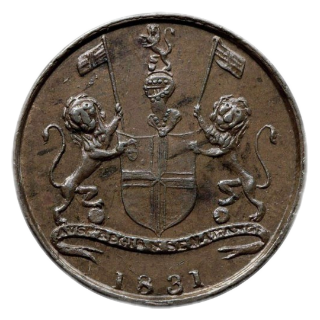 Obverse
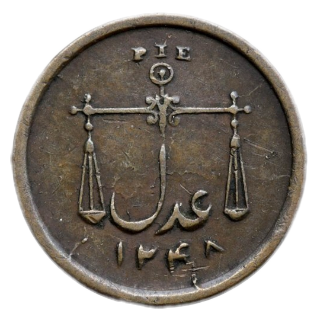 Reverse
Design Features
The obverse of the India-British 1 pie 1833 coin features the inscription "AUSP REGIS & SENAT ANG," symbolizing the authority of the British crown and parliament. On the reverse side, the word "PIE" is inscribed in Arabic script, adding a cultural touch to this colonial coin.
Technical Specifications
This coin has a weight of 2.16g and a diameter of 18.00mm, typical for a 1 pie denomination coin. Made of copper, it bears the standard characteristics of coins minted during the Bombay period (1791-1836).
Collectible Value
The India-British 1 pie 1833 copper coin carries both historical and collectible significance. Its rarity and connection to the colonial past make it a sought-after piece among numismatists and collectors interested in British India coinage.
Conclusion
In conclusion, the India-British 1 pie 1833 coin stands as a testament to the historical and numismatic richness of the British colonial period in India. Its unique design, coupled with its scarcity, elevates its value in the world of coin collecting, making it a prized addition to any collection. By delving into the details of this coin, collectors can appreciate not only its aesthetic appeal but also its role in preserving a pivotal era in India's history under British rule.

ScanMyCoin: AI Coin Recognition
Professional AI coin recognition and collection management platform. Identify, learn, and track your coin collection with advanced AI technology and a vast.