
Hohenzollern-Hechingen Hohenzollern-Hechingen ½ gulden, 1839-1847
Description:
½ gulden Hohenzollern-Hechingen ½ gulden, 1839-1847 coin from Hohenzollern-Hechingen. Design, history & value.
Introduction
The Hohenzollern-Hechingen ½ gulden coin, minted between 1839 and 1847, stands as a testament to the numismatic heritage of the Principality of Hohenzollern-Hechingen. This exquisite silver coin carries with it a rich history and unique design that captivates collectors and history enthusiasts alike.
Historical Background
The Principality of Hohenzollern-Hechingen, a sovereign state in present-day Germany, issued its own coinage during the 17th to 19th centuries. The ½ gulden denomination was a significant part of the monetary system during this period, symbolizing the economic prowess and autonomy of the principality.
Coin Images
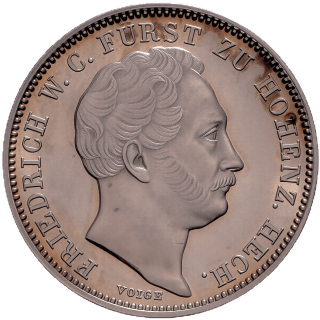 Obverse
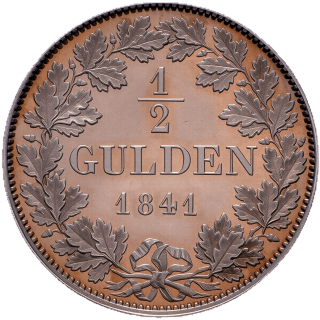 Reverse
Design Features
The obverse of the coin features the inscription "FRIEDRICH W C FÜRST ZU HOHENZ HECH," depicting the ruling monarch at that time. On the reverse, the denomination "1/2 GULDEN" is prominently displayed, emphasizing the coin's value and purpose within the monetary system.
Technical Specifications
- Country/Issuer: Hohenzollern-Hechingen
- Denomination: ½ gulden
- Composition: Silver 0.900
- Weight: 5.30g
- Diameter: 24.50mm
Collectible Value
The Hohenzollern-Hechingen ½ gulden coin is a prized possession for collectors due to its historical significance and rarity. Its silver composition and intricate design make it a sought-after piece in numismatic circles. The market value of this coin reflects its scarcity and desirability among collectors of European coinage.
Conclusion
In conclusion, the Hohenzollern-Hechingen ½ gulden coin from 1839-1847 stands as a remarkable example of numismatic artistry and historical relevance. Its blend of precious metal content, intricate design, and historical context makes it a valuable addition to any coin collection. Embrace the opportunity to own a piece of history with this rare silver denomination from the Principality of Hohenzollern-Hechingen.

ScanMyCoin: AI Coin Recognition
Professional AI coin recognition and collection management platform. Identify, learn, and track your coin collection with advanced AI technology and a vast.