
Hohenlohe-Neuenstein-Öhringen, County of ½ Thaler - John Frederick II
Description:
½ Thaler ½ Thaler - John Frederick II coin from Hohenlohe-Neuenstein-Öhringen, County of. Design, history & value.
Introduction
The ½ Thaler from Hohenlohe-Neuenstein-Öhringen is a captivating piece in the world of numismatics. Struck in 1730, this silver coin offers a glimpse into the rich history and culture of the region. Its unique design and limited issuance make it a prized possession among collectors and historians alike. Understanding its significance requires delving into its historical context and appreciating the artistry that adorns its surfaces.
Historical Background
The ½ Thaler was minted under the authority of the County of Hohenlohe-Neuenstein-Öhringen, a region with a storied past. Situated in present-day Germany, this county was governed by the Hohenlohe family, a prominent noble lineage. The coin's issuance in 1730 coincides with the reign of John Frederick II, a ruler known for his contributions to the cultural and economic development of his territory. During this period, coinage was not only a medium of trade but also a reflection of power and prestige.
Coin Images
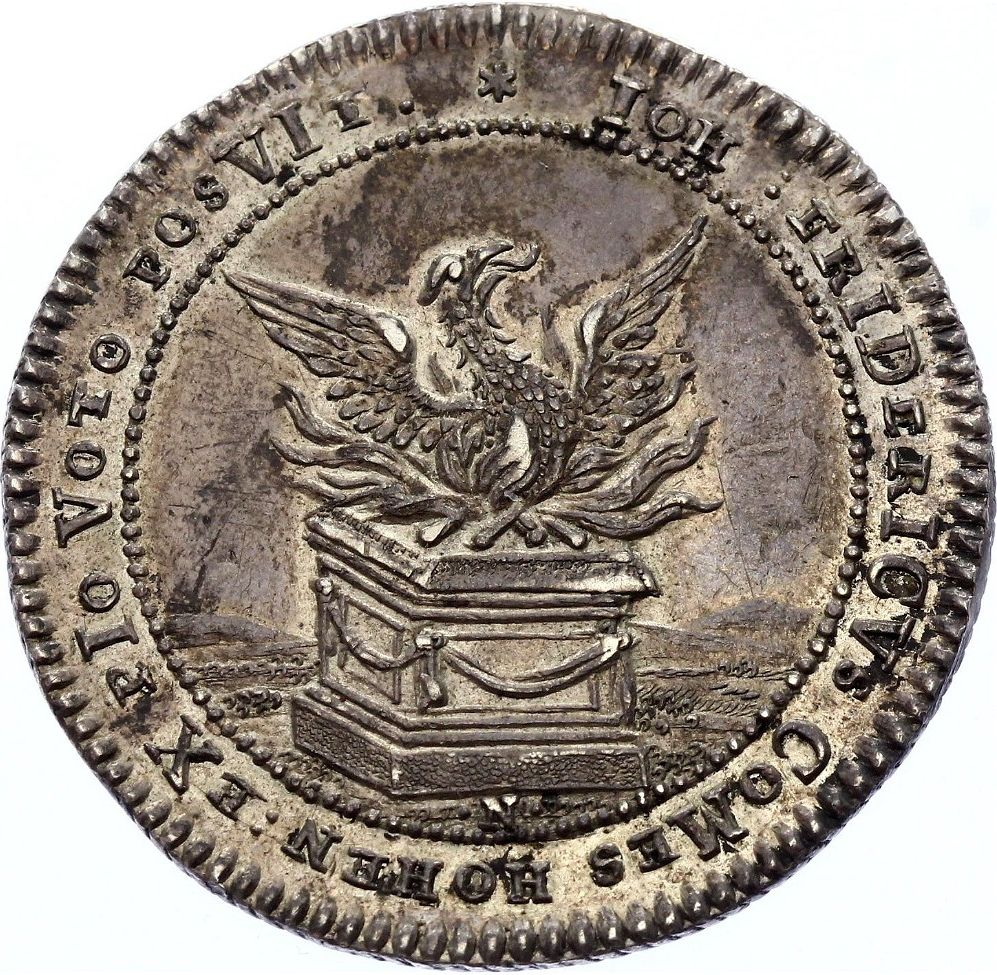 Obverse
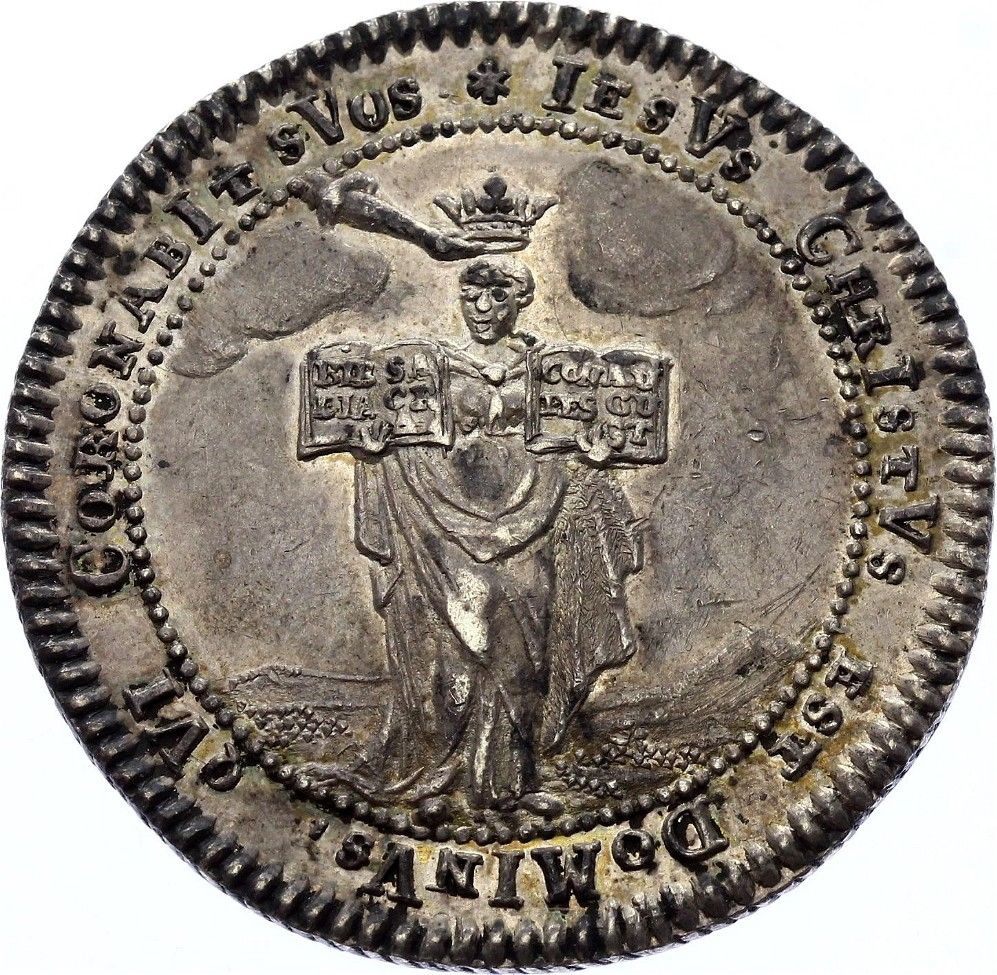 Reverse
Design Features
Obverse Design: The obverse of the ½ Thaler is distinguished by a chronogram legend. Chronograms are a fascinating aspect of numismatic art, where certain letters are highlighted as Roman numerals to denote a specific year. This design choice imbues the coin with a sense of mystery and encourages a deeper exploration of its historical context. Reverse Design: Mirroring the obverse, the reverse also features a chronogram legend. This symmetrical design approach adds to the coin's aesthetic appeal and reinforces its historical narrative. The use of chronograms on both sides of the coin is relatively uncommon, making this piece particularly intriguing for collectors and historians.
Technical Specifications
The ½ Thaler coin boasts a composition of silver, a standard material for high-value coins of the era. While specific dimensions and weight can vary due to historical minting practices, the coin typically aligns with the average size and weight of other Thaler denominations of the time. Its silver content not only contributed to its intrinsic value but also ensured its durability and longevity.
Collectible Value
In the realm of coin collecting, the ½ Thaler from Hohenlohe-Neuenstein-Öhringen holds significant value. Its rarity, coupled with the unique chronogram design, makes it a sought-after piece for numismatists and history enthusiasts. The coin's market value can fluctuate based on its condition, provenance, and demand among collectors. Well-preserved specimens are particularly prized, often fetching higher prices at auctions and private sales.
Conclusion
The ½ Thaler coin of 1730, issued by the County of Hohenlohe-Neuenstein-Öhringen, stands as a testament to the rich history and artistic expression of its time. Its unique design, historical significance, and collectible value make it a remarkable piece in the world of numismatics. Whether you are a seasoned collector or a history enthusiast, this coin offers a tangible connection to the past, inviting you to explore the intricate stories and cultures of 18th-century Europe.

ScanMyCoin: AI Coin Recognition
Professional AI coin recognition and collection management platform. Identify, learn, and track your coin collection with advanced AI technology and a vast.