
Hesse-Kassel Hesse-Kassel 1 heller, 1817-1820
Description:
1 heller Hesse-Kassel 1 heller, 1817-1820 coin from Hesse-Kassel. Design, history & value.
1. Introduction
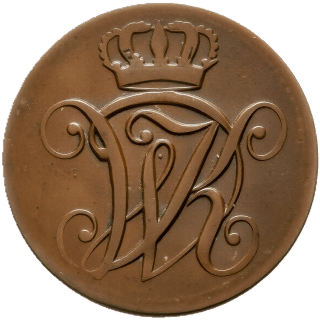
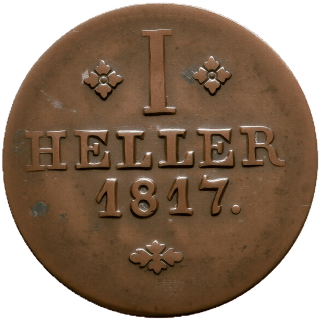
The Hesse-Kassel 1 heller coin minted between 1817 and 1820 holds a significant place in numismatic history. This copper coin, bearing the marks of WK on the obverse and I HELLER on the reverse, represents the coinage of the Electorate of Hesse-Kassel during a crucial period.
2. Historical Background
The Electorate of Hesse-Kassel, a state within the Holy Roman Empire, issued this 1 heller coin to facilitate daily transactions and trade. The coinage system was essential for the economic stability of the region during the early 19th century.
3. Design Features
The obverse of the coin features the initials "WK" representing the issuing authority, Wilhelm II of Hesse-Kassel. On the reverse, the denomination "I HELLER" is prominently displayed. The simplicity of the design reflects the practicality of everyday coinage during that era.
4. Technical Specifications
This 1 heller coin measures X mm in diameter and weighs around X grams. Being crafted from copper, it was a common metal for lower denomination coins due to its affordability and durability. The coin's edge may feature reeding for added security against counterfeiting.
5. Collectible Value
Despite its humble denomination, the Hesse-Kassel 1 heller coin carries significant historical value for collectors. Its limited mintage and historical significance make it a sought-after piece among numismatists. The market value of this coin varies based on its condition, rarity, and demand from collectors.
6. Conclusion
In conclusion, the Hesse-Kassel 1 heller copper coin from 1817-1820 represents a pivotal period in the numismatic history of the Electorate of Hesse-Kassel. Its simple yet elegant design, along with its historical context, makes it a valuable addition to any coin collection. Understanding the significance of this coin not only enriches one's collection but also provides a glimpse into the economic landscape of early 19th-century Germany.
Coin Images
 Obverse
 Reverse

ScanMyCoin: AI Coin Recognition
Professional AI coin recognition and collection management platform. Identify, learn, and track your coin collection with advanced AI technology and a vast.