

Hannover Hannover ¹⁄₁₂ thaler, 1852-1853
Description:
¹⁄₁₂ thaler Hannover ¹⁄₁₂ thaler, 1852-1853 coin from Hannover. Design, history & value.
Introduction
The Kingdom of Hannover issued a series of exquisite silver coins, including the ¹⁄₁₂ Thaler minted between 1852 and 1853. This coin stands as a testament to the rich numismatic history of Hannover and holds significant value among collectors worldwide.
Historical Background
During the mid-19th century, Hannover, under the reign of King George V, produced a variety of coins to facilitate trade and commerce. The ¹⁄₁₂ Thaler denomination was a fractional unit of currency, valued for its silver content and intricate design elements.
Coin Images
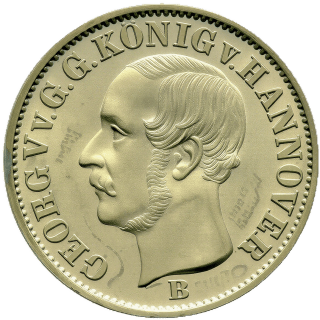 Obverse
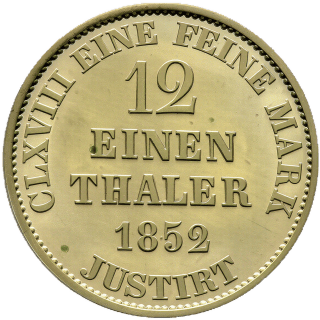 Reverse
Design Features
The obverse of the coin features the inscription "GEORG V v G G KOENIG v HANNOVER," showcasing the ruler's name and title in a classic style. On the reverse, the design includes the denomination "12 EINEN THALER" along with specifications "CLXVIII EINE FEINE MARK JUSTIRT," adding a touch of elegance to the overall appearance.
Technical Specifications
This silver coin weighs 2.67g and has a diameter of 20.00mm, making it a compact yet valuable piece in numismatics. With a silver purity of 0.520, it offers both historical significance and precious metal content for collectors.
Collectible Value
The Kingdom of Hannover ¹⁄₁₂ Thaler from 1852-1853 holds a special place in the world of coin collecting. Its limited mintage, coupled with the historical context of the era, contributes to its desirability among numismatists. The coin's market value varies based on its condition, rarity, and demand in the collector's market.
Conclusion
In conclusion, the Kingdom of Hannover ¹⁄₁₂ Thaler silver coin from 1852-1853 represents a blend of historical significance and numismatic artistry. Its unique design, coupled with the royal heritage of Hannover, makes it a prized possession for collectors seeking to own a piece of this intriguing period in numismatic history.

ScanMyCoin: AI Coin Recognition
Professional AI coin recognition and collection management platform. Identify, learn, and track your coin collection with advanced AI technology and a vast.