

Goslar, City of 4 Groschen
Description:
4 Groschen 4 Groschen coin from Goslar, City of. Design, history & value.
Introduction
The Goslar 4 Groschen coin minted in 1621 is a significant numismatic piece that stands out for its historical importance and intricate design. This silver coin offers a glimpse into the artistic and political landscape of the early 17th century.
Historical Background
Issued by the City of Goslar in 1621, this coin reflects the economic and political influence of the city during the reign of Ferdinand II. Goslar, known for its rich mining heritage, played a crucial role in the production of silver coins during this period.
Coin Images
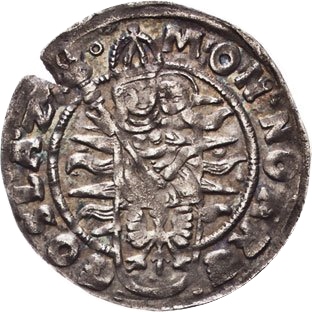 Obverse
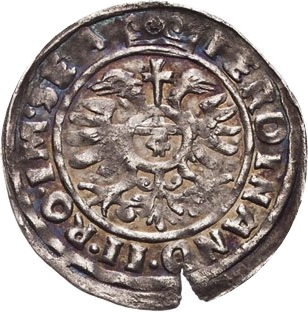 Reverse
Design Features
The obverse of the coin showcases a striking depiction of Madonna and child, a common motif in religious art of the time. The reverse features a crowned imperial eagle with the number 4 in orb on its breast, along with the titles of Ferdinand II, adding a regal touch to the design.
Technical Specifications
This 4 Groschen coin measures [specify size], weighs [specify weight], and is composed of silver. The intricate details on both sides of the coin highlight the exceptional craftsmanship of the minting process during the early 17th century.
Collectible Value
Due to its historical significance and limited mintage in 1621, the Goslar 4 Groschen coin holds a considerable collectible value among numismatists. Its rarity and unique design make it a sought-after piece for collectors interested in early modern European coinage.
Conclusion
In conclusion, the Goslar 4 Groschen silver coin of 1621 is a remarkable numismatic specimen that encapsulates the artistry and historical context of its time. With its intricate design and ties to the City of Goslar and Ferdinand II, this coin remains a prized possession for collectors and enthusiasts of early European coinage. By exploring the details and significance of the Goslar 4 Groschen coin, one can truly appreciate the craftsmanship and historical legacy embodied in this numismatic treasure.

ScanMyCoin: AI Coin Recognition
Professional AI coin recognition and collection management platform. Identify, learn, and track your coin collection with advanced AI technology and a vast.