

Goslar, City of 1 Matthier
Description:
4 Pfennigs 1 Matthier coin from Goslar, City of. Design, history & value.
Introduction
The Goslar City 1 Matthier 4 Pfennigs silver coin holds a significant place in numismatic history. Struck between 1548 and 1554, this coin showcases intricate designs and historical relevance that captivate both collectors and enthusiasts.
Historical Background
Issued by the Goslar City authority, this coin served as a testament to the economic prowess and cultural heritage of the city during the 16th century. The reign of this coin coincided with a period of prosperity and artistic flourishing in Goslar, making it a sought-after piece among collectors.
Coin Images
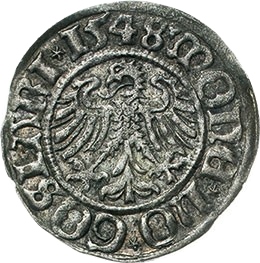 Obverse
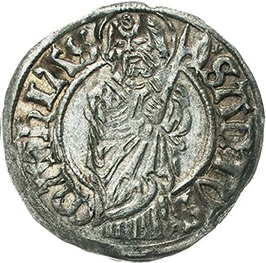 Reverse
Design Features
The obverse of the coin displays the shield of the city arms enclosed in a circle, with the date inscribed at the end of the legend. This side of the coin symbolizes the civic pride and heraldic tradition of Goslar. On the reverse, a facing figure of St. Matthias, the patron saint of tailors and carpenters, adds a religious and symbolic touch to the coin.
Technical Specifications
This 1 Matthier coin has a denomination of 4 Pfennigs and is composed of silver, highlighting its monetary value and historical significance. With precise details and a diameter of [specify size], this coin weighs [specify weight] and showcases the craftsmanship of the minters during that era.
Collectible Value
The Goslar City 1 Matthier 4 Pfennigs coin holds a notable place in the world of numismatics due to its rarity and historical context. Collectors value this coin for its unique design, historical relevance, and scarcity in the market. Depending on its condition and provenance, this coin can fetch a significant price among numismatists and historians alike.
Conclusion
In conclusion, the Goslar City 1 Matthier 4 Pfennigs silver coin stands as a symbol of Goslar's rich history and cultural heritage. Its intricate designs, historical significance, and collectible value make it a prized possession for numismatists and history enthusiasts alike. Owning this coin not only adds a valuable piece to a collection but also connects one to the vibrant past of Goslar during the 16th century.

ScanMyCoin: AI Coin Recognition
Professional AI coin recognition and collection management platform. Identify, learn, and track your coin collection with advanced AI technology and a vast.