
Ghana Ghana 2 shillings, 1958
Description:
2 shillings Ghana 2 shillings, 1958 coin from Ghana. Design, history & value.
Introduction
The Ghana 2 shillings coin minted in 1958 holds a special place in the numismatic world due to its historical importance and unique design features. Issued by Ghana, this coin symbolizes a crucial period in the country's transition to independence and showcases the prominent figure of Kwame Nkrumah.
Historical Background
In 1958, Ghana gained independence from British colonial rule, marking a significant milestone in African history. The introduction of the 2 shillings coin reflected the country's newfound sovereignty and was a testament to Ghana's emerging identity as a nation.
Coin Images
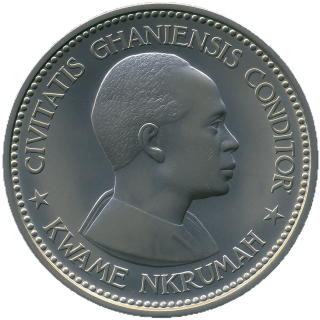 Obverse
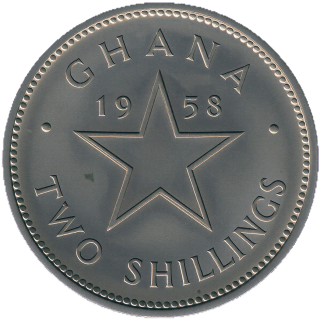 Reverse
Design Features
The obverse of the coin features the inscription "CIVITATIS GHANIENSIS CONDITOR" above the portrait of Kwame Nkrumah, Ghana's first President and a key figure in the fight for independence. The reverse side displays the year "1958" along with the country name "GHANA" and the denomination "TWO SHILLINGS."
Technical Specifications
This coin, made of copper-nickel, weighs 8.90 grams with a diameter of 26.50mm. The composition of copper-nickel gives the coin a distinctive appearance and adds to its overall appeal among collectors.
Collectible Value
The Ghana 2 shillings 1958 coin holds both historical and collectible significance, making it a sought-after item among numismatists. Its association with Ghana's independence movement and the iconic image of Kwame Nkrumah contribute to its desirability. Due to its limited mintage and historical importance, this coin is considered a valuable addition to any collection.
Conclusion
In conclusion, the Ghana 2 shillings 1958 coin stands as a tangible representation of Ghana's journey to independence and pays tribute to the visionary leadership of Kwame Nkrumah. Its unique design, historical significance, and collectible value make it a prized possession for both collectors and enthusiasts of African numismatics. By exploring the rich history and intricate details of the Ghana 2 shillings 1958 coin, one can truly appreciate its place in the world of coin collecting and the broader context of Ghana's independence movement.

ScanMyCoin: AI Coin Recognition
Professional AI coin recognition and collection management platform. Identify, learn, and track your coin collection with advanced AI technology and a vast.