

German East Africa German East Africa 5 hellers, 1913-1914
Description:
5 hellers German East Africa 5 hellers, 1913-1914 coin from German East Africa. Design, history & value.
Introduction
The German East Africa 5 hellers coin minted between 1913 and 1914 holds a special place in numismatic history. This copper-nickel coin not only represents a bygone era but also bears witness to the colonial past of the region.
Historical Background
Issued by German East Africa, a former colony of the German Empire, this coin reflects the colonial ambitions and economic activities of the time. During this period, German East Africa was engaged in various trade ventures and the coinage system played a crucial role in facilitating commerce within the region.
Coin Images
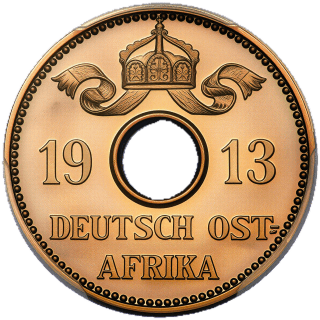 Obverse
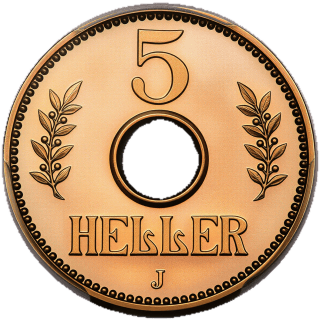 Reverse
Design Features
The obverse of the coin features the inscription "DEUTSCH OST-AFRIKA," emphasizing its origin in German East Africa. The reverse side displays the numeral "5" accompanied by the denomination "HELLER." The simplicity of the design is characteristic of coins from this era, focusing more on functionality than intricate artwork.
Technical Specifications
This 5 hellers coin weighs 3.13 grams and has a diameter of 21.00mm, making it a compact yet substantial piece. Crafted from copper-nickel, the coin showcases durability while retaining its historical charm. The technical specifications of this coin contribute to its appeal among collectors and enthusiasts alike.
Collectible Value
The German East Africa 5 hellers coin from 1913-1914 holds significant collectible value due to its historical importance and limited availability. As a piece of colonial numismatic history, this coin attracts both novice collectors and seasoned numismatists. Its rarity level adds to its desirability, making it a prized addition to any collection.
Conclusion
In conclusion, the German East Africa 5 hellers coin from 1913-1914 is a testament to a bygone era and a valuable piece of numismatic history. Its unique design, historical significance, and collectible value make it a sought-after item among coin enthusiasts worldwide. Owning this coin not only adds diversity to a collection but also preserves a piece of colonial heritage for future generations to appreciate.

ScanMyCoin: AI Coin Recognition
Professional AI coin recognition and collection management platform. Identify, learn, and track your coin collection with advanced AI technology and a vast.