

French Indochina French Indochina 10 centiemes, 1921-1937
Description:
10 centiemes French Indochina 10 centiemes, 1921-1937 coin from French Indochina. Design, history & value.
Introduction
The French Indochina 10 centiemes coin minted between 1921 and 1937 holds a significant place in the numismatic world. This silver coin, with its intricate designs and historical importance, captivates collectors and enthusiasts alike.
Historical Background
French Indochina, a colonial entity established by France in Southeast Asia, issued this coin during a period of colonial rule. The coin reflects the French influence in the region and serves as a tangible link to the colonial past of Vietnam, Cambodia, and Laos.
Coin Images
 Obverse
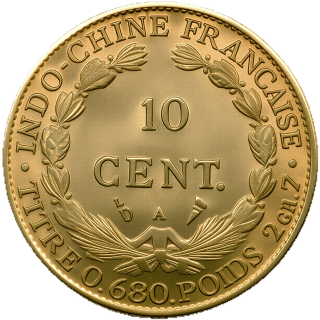 Reverse
Design Features
The obverse of the coin features the inscription "BARRE" above "RÉPUBLIQUE FRANÇAISE," emphasizing the French Republic. The reverse showcases "INDO-CHINE FRANÇAISE" encircling "ITRE 0.680.POIDS 2GR.7," denoting the silver content and weight of the coin.
Technical Specifications
This 10 centiemes coin weighs 2.70g and has a diameter of 19.00mm. Composed of 68% silver, it exemplifies the fine craftsmanship of French colonial coinage during the early 20th century.
Collectible Value
The French Indochina 10 centiemes coin from 1921-1937 holds both historical and collectible significance. Its limited mintage and silver composition make it a sought-after item among numismatists. The coin's rarity and condition greatly influence its market value, with well-preserved specimens commanding higher prices.
Conclusion
In conclusion, the French Indochina 10 centiemes silver coin from 1921-1937 stands as a testament to the colonial history of Southeast Asia and the numismatic artistry of the French Mint. Its blend of historical importance and collectible value makes it a prized possession for collectors interested in French colonial coinage. By delving into the details of this coin's design, historical context, and collectible value, enthusiasts can appreciate the beauty and significance of the French Indochina 10 centiemes coin from 1921-1937.

ScanMyCoin: AI Coin Recognition
Professional AI coin recognition and collection management platform. Identify, learn, and track your coin collection with advanced AI technology and a vast.