

Finland Finland 50 penniä, 1963-1990
Description:
50 penniä Finland 50 penniä, 1963-1990 coin from Finland. Design, history & value.
1. Introduction
The Finland 50 penniä coin, minted between 1963 and 1990, holds a significant place in Finnish numismatic history. This aluminium-bronze coin served as a daily monetary unit during the Republic of Finland era, reflecting the country's economic and cultural landscapes.
2. Historical Background
Issued by the Finnish government, the 50 penniä coin symbolized the stability and prosperity of Finland during the mid to late 20th century. The coin's circulation played a crucial role in facilitating everyday transactions and contributing to the nation's monetary system.
3. Design Features
The obverse of the coin features the inscription "SUOMEN TASAVALTA," translating to the Republic of Finland in Finnish. This design element signifies the coin's origin and official status. On the reverse side, the denomination "50 PENNIÄ" is prominently displayed, indicating the coin's value.
4. Technical Specifications
Weighing 5.50 grams and measuring 25.00mm in diameter, the Finland 50 penniä coin is composed of aluminium-bronze. These technical specifications highlight the coin's physical attributes and distinguish it from other denominations in circulation during that period.
5. Collectible Value
Today, the Finland 50 penniä coin holds significant collectible value among numismatists and coin enthusiasts. Its historical significance, limited mintage years, and unique design features contribute to its appeal. The rarity of well-preserved specimens further enhances their desirability among collectors.
6. Conclusion
In conclusion, the Finland 50 penniä coin stands as a testament to Finland's numismatic heritage and economic development. Its enduring charm, coupled with its historical relevance, makes it a prized addition to any coin collection. Whether for its design aesthetics or collectible value, this coin continues to captivate collectors worldwide, preserving a piece of Finnish history for generations to come.
Coin Images
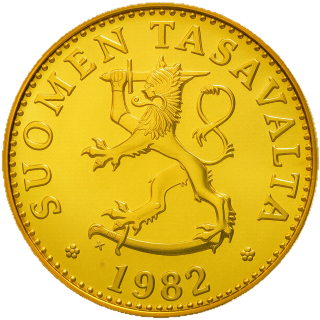 Obverse
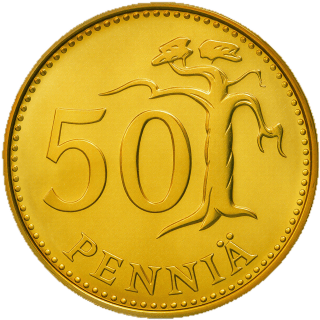 Reverse

ScanMyCoin: AI Coin Recognition
Professional AI coin recognition and collection management platform. Identify, learn, and track your coin collection with advanced AI technology and a vast.