

Finland Finland 10 penniä, 1875-1876
Description:
10 penniä Finland 10 penniä, 1875-1876 coin from Finland. Design, history & value.
Introduction
The Finland 10 penniä coin minted between 1875 and 1876 during the reign of Emperor Alexander II holds a significant place in numismatic history. This copper coin not only reflects the economic landscape of that era but also showcases the craftsmanship and artistry of Finnish coinage.
Historical Background
Issued by Finland under the authority of Emperor Alexander II, this coin was part of the monetary system in place during the mid-19th century. The reign of Alexander II was characterized by various reforms in Finland, including the introduction of modern coinage to facilitate trade and commerce.
Coin Images
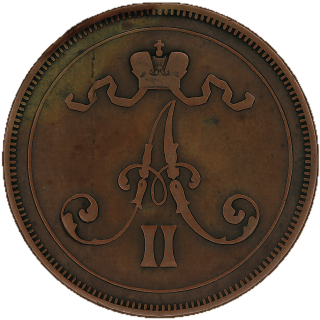 Obverse
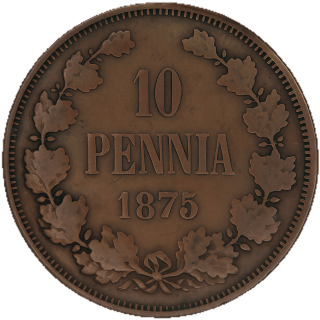 Reverse
Design Features
The obverse of the coin features the monogram "A II" denoting Emperor Alexander II, surrounded by intricate detailing. On the reverse side, the denomination "10 PENNIÄ" is displayed prominently, encapsulating the face value of the coin. The overall design exudes elegance and precision, typical of coins minted during this period.
Technical Specifications
This coin has a weight of 12.80g and a diameter of 30.00mm, making it substantial in size and ideal for showcasing the detailed design elements. Crafted from copper, it offers a warm tone and a unique patina that adds to its aesthetic appeal.
Collectible Value
The Finland 10 penniä coin from 1875-1876 holds both historical and collectible significance. Due to its limited mintage and historical context, this coin is highly sought after by numismatists and collectors. Its rarity level contributes to its market value, making it a prized addition to any coin collection.
Conclusion
In conclusion, the Finland 10 penniä coin minted between 1875 and 1876 under Emperor Alexander II's reign is a numismatic treasure worth exploring. Its historical background, intricate design features, and collectible value make it a valuable piece for both collectors and enthusiasts. Owning this coin not only offers a glimpse into Finland's past but also adds a touch of elegance to any collection.

ScanMyCoin: AI Coin Recognition
Professional AI coin recognition and collection management platform. Identify, learn, and track your coin collection with advanced AI technology and a vast.