

Fiji Fiji 1 penny, 1937-1945
Description:
1 penny Fiji 1 penny, 1937-1945 coin from Fiji. Design, history & value.
Introduction
The Fiji 1 penny coin minted from 1937 to 1945 during the reign of King George VI holds a special place in numismatic history. This copper-nickel coin not only serves as a testament to Fiji's colonial past but also showcases the artistic and technical prowess of the era.
Historical Background
As a British colony, Fiji adopted the British currency system, and the 1 penny coin featuring King George VI was introduced in 1937. These coins circulated until 1945, representing a significant period in Fiji's numismatic heritage.
Coin Images
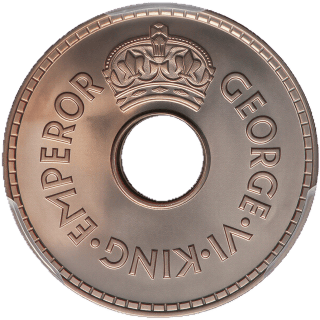 Obverse
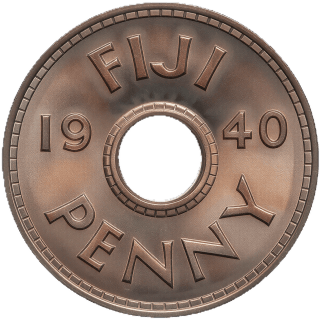 Reverse
Design Features
The obverse of the coin displays the inscription "GEORGE VI KING EMPEROR," encircling the portrait of King George VI facing left. On the reverse, the words "FIJI" and "PENNY" are prominently featured, encapsulating the coin's origin and denomination.
Technical Specifications
The Fiji 1 penny coin weighs 6.50 grams and has a diameter of 26.00mm. Crafted from copper-nickel, this coin exemplifies the standard specifications of British colonial coinage during that era.
Collectible Value
Due to its historical significance and limited mintage period, the Fiji 1 penny coin from 1937 to 1945 holds a special place among collectors. Its market value varies based on condition, rarity, and demand, making it a prized addition to any numismatist's collection.
Conclusion
In conclusion, the Fiji 1 penny coin from the King George VI era represents a blend of artistry, history, and numismatic significance. Its unique design, historical context, and collectible value make it a must-have for enthusiasts seeking to delve into the rich heritage of Fiji's coinage under British rule. By exploring the intricacies of this coin, collectors and history buffs alike can appreciate the tangible link it provides to Fiji's past and the reign of King George VI. This detailed exploration of the Fiji 1 penny coin from 1937 to 1945 underscores its enduring appeal and importance in the realm of numismatics.

ScanMyCoin: AI Coin Recognition
Professional AI coin recognition and collection management platform. Identify, learn, and track your coin collection with advanced AI technology and a vast.