

Ethiopia Ethiopia 1 werk, 1889 (1897)
Description:
1 werk Ethiopia 1 werk, 1889 (1897) coin from Ethiopia. Design, history & value.
Introduction
The Ethiopia 1 werk coin minted in 1889 (1897) during the reign of Emperor Menelik II is a fascinating piece of history that combines intricate design with precious metal value. This coin holds a significant place in Ethiopian numismatics due to its historical importance and aesthetic appeal.
Historical Background
Issued by Ethiopia, the coin showcases Emperor Menelik II, who reigned from 1889 to 1931. Known for his modernizing efforts and resistance against colonial powers, Menelik II played a pivotal role in Ethiopian history. This coin symbolizes his reign and the country's sovereignty during a crucial period.
Coin Images
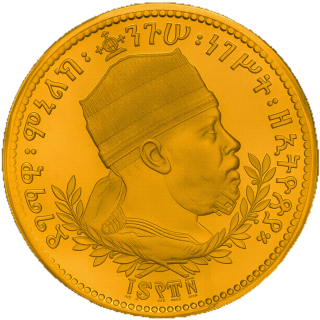 Obverse
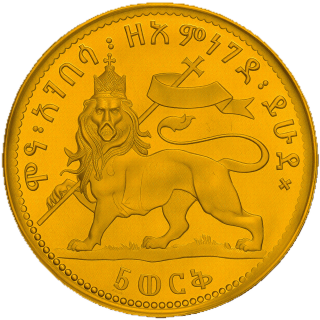 Reverse
Design Features
The obverse of the coin features the Amharic inscription "፲፰፻፹፱ / ዳግማዊ:ምኒልክ: ንጉሠ: ነገሥት: ዘኢትዮጵያ," translating to "2nd year of Menelik's reign, King of Kings of Ethiopia." The reverse bears the inscription "፩ ወርቅ / ሞዓ: አንበሳ: ዘእምነገደ: ይሁዳ," representing "1 Werk, Menelik II, King of Kings of Ethiopia."
Technical Specifications
Made of 90% gold, the Ethiopia 1 werk coin weighs 7.00g and has a diameter of 21.00mm. Its precise measurements and high gold content enhance its appeal to collectors and investors alike. The coin's craftsmanship reflects the fine quality of Ethiopian minting during Menelik II's reign.
Collectible Value
Due to its historical significance and limited mintage, the Ethiopia 1 werk coin holds substantial collectible value. Numismatists and collectors are drawn to its connection to Emperor Menelik II and Ethiopia's rich heritage. The rarity of this coin contributes to its desirability among enthusiasts worldwide.
Conclusion
In conclusion, the Ethiopia 1 werk 1889 (1897) gold coin featuring Emperor Menelik II stands as a testament to Ethiopia's regal history and numismatic artistry. Its intricate design, historical significance, and precious metal content make it a prized possession for collectors seeking unique coins with cultural value. Acquiring this coin not only adds a valuable piece to a collection but also preserves a piece of Ethiopian heritage for generations to come.

ScanMyCoin: AI Coin Recognition
Professional AI coin recognition and collection management platform. Identify, learn, and track your coin collection with advanced AI technology and a vast.