

Estonia Estonia 50 senti, 1936
Description:
50 senti Estonia 50 senti, 1936 coin from Estonia. Design, history & value.
Introduction
The Estonia 50 senti 1936 coin holds a special place in numismatic history as a striking representation of Estonia's numismatic heritage during the 1st Republic era. This rare nickel-brass coin not only showcases exquisite craftsmanship but also carries significant historical value.
Historical Background
Issued in 1936 by Estonia, this coin was part of the Kroon currency system that was in place from 1928 to 1940. The 1st Republic era was a crucial period for Estonia, marked by efforts to establish a stable and independent financial system.
Coin Images
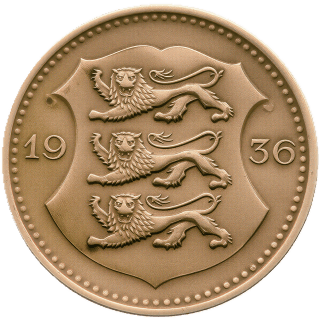 Obverse
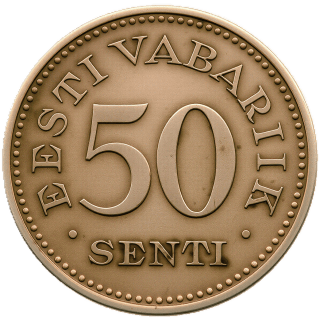 Reverse
Design Features
The obverse of the coin features the elegant 1936 design, possibly depicting a national symbol or a prominent figure relevant to that era. On the reverse, the inscription "50 SENTI / EESTI VABARIIK" is proudly displayed, translating to "50 cents / Republic of Estonia."
Technical Specifications
This Estonia 50 senti coin weighs 7.50g and has a diameter of 27.50mm, making it substantial in size and weight. Crafted from nickel-brass, the coin's composition adds to its durability and aesthetic appeal.
Collectible Value
Due to its historical significance and limited mintage, the Estonia 50 senti 1936 coin holds both numismatic and historical value. Collectors covet this piece for its rarity and unique design elements, making it a prized addition to any collection.
Conclusion
In conclusion, the Estonia 50 senti 1936 coin stands out as a valuable and historically rich numismatic piece from the 1st Republic era. Its intricate design, coupled with its scarcity, makes it a sought-after item among collectors and enthusiasts alike. Owning this coin not only adds diversity to a collection but also preserves a piece of Estonia's numismatic legacy for generations to come. This structured article provides a detailed overview of the Estonia 50 senti 1936 coin, highlighting its significance and unique features in the world of numismatics.

ScanMyCoin: AI Coin Recognition
Professional AI coin recognition and collection management platform. Identify, learn, and track your coin collection with advanced AI technology and a vast.