

England England ½ guinea, 1695-1701
Description:
½ guinea England ½ guinea, 1695-1701 coin from England. Design, history & value.
Introduction
The England ½ guinea coin, minted between 1695 and 1701 during the reign of King William III, stands as a remarkable piece of numismatic history. This gold coin encapsulates the elegance and prestige of the era, making it a coveted treasure for collectors worldwide.
Historical Background
Issued in England, the ½ guinea coin served as a symbol of economic stability and royal authority during the late 17th and early 18th centuries. King William III, known for his pivotal role in the Glorious Revolution, left a lasting legacy reflected in the coins bearing his likeness.
Coin Images
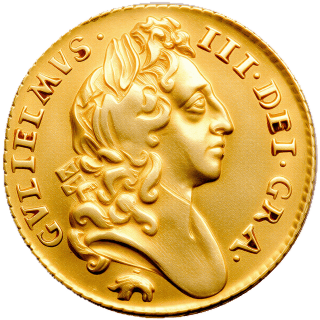 Obverse
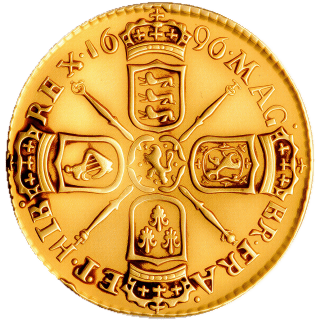 Reverse
Design Features
The obverse of the coin features the Latin inscription "GVLIELMUS III DEI GRA," identifying King William III as the gracious ruler by the grace of God. On the reverse, the coin displays the inscription "MAG BR FRA ET HIB REX," signifying the monarch as the King of Great Britain, France, and Ireland.
Technical Specifications
This ½ guinea coin weighs 4.18 grams and has a diameter of 20.00mm, offering a compact yet substantial presence. Crafted from gold with a purity of 0.917, this coin exemplifies the meticulous craftsmanship of the Royal Mint during that period.
Collectible Value
The England ½ guinea coin from 1695-1701 holds significant value in the numismatic world. Its historical significance, combined with its rarity and exquisite design, makes it a prized addition to any collection. Collectors eagerly seek out this coin for its unique connection to a pivotal period in English history.
Conclusion
In conclusion, the England ½ guinea coin from the reign of King William III represents a tangible link to the past, showcasing the artistry and heritage of British coinage. Whether for its historical importance or aesthetic appeal, this coin remains a cherished piece for numismatists and history enthusiasts alike. Embrace the allure of this golden treasure and delve into the rich legacy it embodies.

ScanMyCoin: AI Coin Recognition
Professional AI coin recognition and collection management platform. Identify, learn, and track your coin collection with advanced AI technology and a vast.