

England England 5 guineas, 1686-1688
Description:
5 guineas England 5 guineas, 1686-1688 coin from England. Design, history & value.
Introduction
The England 5 guineas gold coin minted during the reign of King James II from 1686 to 1688 holds a significant place in numismatic history. This coin showcases exquisite craftsmanship and historical importance, making it a coveted piece among collectors worldwide.
Historical Background
Issued by England under King James II's authority, the 5 guineas coin was a symbol of wealth and power during the late 17th century. King James II's short reign was marked by political turmoil, adding to the intrigue surrounding this coin.
Coin Images
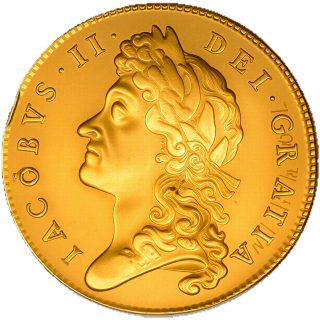 Obverse
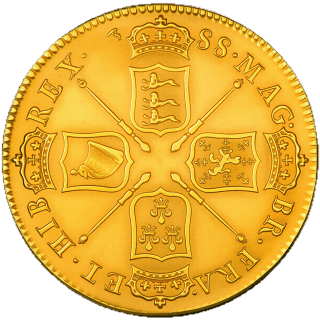 Reverse
Design Features
The obverse of the coin features the Latin inscription "IACOBVS II DEI GRATIA" (James II by the Grace of God) around the bust of King James II. On the reverse, the inscription "MAG BR FRA ET HIB REX" (King of Great Britain, France, and Ireland) surrounds the royal coat of arms.
Technical Specifications
This coin is composed of 91.7% pure gold, weighing 41.75 grams with a diameter of 37.00mm. Its substantial size and weight reflect the high value and prestige attached to the 5 guineas denomination.
Collectible Value
The England 5 guineas gold coin from the King James II era holds not only monetary value but also historical significance. Its rarity and association with a tumultuous period in English history make it a prized possession for numismatists and collectors. The market value of this coin can vary based on its condition and historical provenance.
Conclusion
In conclusion, the England 5 guineas gold coin from 1686-1688 is a treasure trove of history and artistry. Its intricate design, significant weight, and connection to King James II's reign make it a must-have for serious collectors. Owning this coin is like holding a piece of England's past, encapsulating the grandeur and complexity of the late 17th century. By delving into the world of numismatics with the England 5 guineas gold coin, collectors can enrich their understanding of history and appreciate the craftsmanship of coinage from centuries past.

ScanMyCoin: AI Coin Recognition
Professional AI coin recognition and collection management platform. Identify, learn, and track your coin collection with advanced AI technology and a vast.