

England England 1 shilling, 1663-1668
Description:
1 shilling England 1 shilling, 1663-1668 coin from England. Design, history & value.
Introduction
The England 1 shilling coin minted between 1663 and 1668 during the reign of King Charles II holds significant historical and numismatic value. This silver coin is a tangible piece of English history, showcasing intricate designs and craftsmanship of the era.
Historical Background
Issued by England under King Charles II's authority, this 1 shilling coin played a crucial role in daily transactions and trade during the late 17th century. The coinage reforms of Charles II aimed to stabilize the English currency system and enhance the country's economic stability.
Coin Images
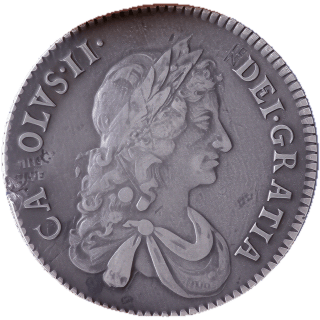 Obverse
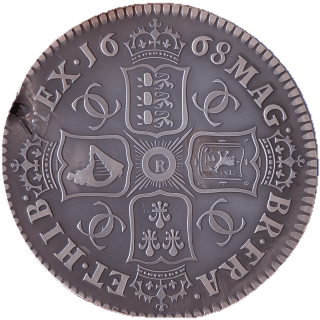 Reverse
Design Features
The obverse of the coin features the inscription "CAROLVS II" (Latin for Charles II) and "DEI GRATIA" (By the Grace of God), emphasizing the divine right of the monarch. On the reverse side, "MAG BR FRA ET HIB REX" signifies Charles II as the King of Great Britain, France, and Ireland.
Technical Specifications
Crafted from 92.5% silver, this coin weighs 6.00g and has a diameter of 25.00mm. The high silver content and standard weight reflect the coin's value and reliability in circulation during the period.
Collectible Value
The England 1 shilling coin from the Charles II era is sought after by collectors for its historical significance and intricate design. Its rarity and condition greatly influence its market value, making it a prized addition to numismatic collections. Collectors often value these coins based on their minting year, condition, and overall scarcity in the market.
Conclusion
In conclusion, the England 1 shilling coin from 1663-1668 under King Charles II's reign represents a fascinating blend of history, artistry, and numismatic interest. Its legacy as a tangible artifact from a significant period in English history, coupled with its collectible value, makes it a prized possession for both numismatists and history enthusiasts alike. By delving into the details of this silver coin, one can appreciate its role in shaping England's monetary system and its enduring appeal as a collectible piece of the past.

ScanMyCoin: AI Coin Recognition
Professional AI coin recognition and collection management platform. Identify, learn, and track your coin collection with advanced AI technology and a vast.