

England England 1 guinea, 1672-1684
Description:
1 guinea England 1 guinea, 1672-1684 coin from England. Design, history & value.
Introduction
England's 1 guinea gold coin minted between 1672 and 1684 during the reign of King Charles II holds a significant place in numismatic history. Known for its exquisite design and historical importance, this coin is a prized possession for collectors and enthusiasts alike.
Historical Background
The 1 guinea coin was introduced during the restoration of the monarchy under King Charles II in 1660. It served as a symbol of stability and prosperity during a turbulent period in English history. The coin's issuance continued until 1684, marking a crucial era in England's monetary evolution.
Coin Images
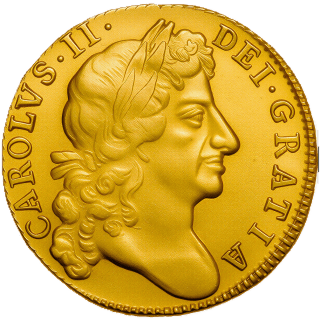 Obverse
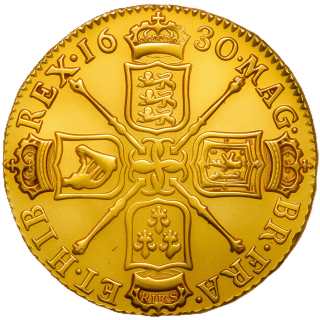 Reverse
Design Features
The obverse of the coin features the Latin inscription "CAROLVS II DEI GRATIA," meaning "Charles II by the Grace of God," encircling the king's portrait. The reverse bears the inscription "MAG BR FRA ET HIB REX," signifying King of Great Britain, France, and Ireland, surrounded by intricate designs typical of the era's coinage.
Technical Specifications
This 1 guinea gold coin weighs 8.35 grams and has a diameter of 25.00mm. With a gold purity of 0.917, the coin exemplifies the fine craftsmanship and attention to detail characteristic of coins minted during King Charles II's reign.
Collectible Value
Due to its historical significance and limited mintage period, the England 1 guinea gold coin from 1672-1684 holds substantial collectible value. Numismatists and collectors covet this coin for its rarity and association with a pivotal period in English history. The market value of these coins can vary based on condition and demand, making them desirable additions to any collection.
Conclusion
In conclusion, the England 1 guinea gold coin from the era of King Charles II is not just a piece of currency but a tangible link to a bygone era. Its intricate design, historical significance, and collectible value make it a prized possession for both numismatists and history enthusiasts. Owning a piece of this coinage is owning a piece of England's rich past.

ScanMyCoin: AI Coin Recognition
Professional AI coin recognition and collection management platform. Identify, learn, and track your coin collection with advanced AI technology and a vast.