

Egypt Egypt ¼ zeri-mahbub, 1223 (1808)
Description:
¼ zeri-mahbub Egypt ¼ zeri-mahbub, 1223 (1808) coin from Egypt. Design, history & value.
Introduction The Egypt ¼ zeri-mahbub gold coin dated 1223 AH (1808 AD) is a fascinating piece from the reign of Sultan Mahmud II. This coin holds historical significance and numismatic value, making it a prized possession for collectors worldwide. Historical Background During Sultan Mahmud II's reign in Egypt (1808-1838), the country saw a period of significant reforms and modernization efforts. Coins minted during this era reflect the changing political and cultural landscape of Egypt under Mahmud II's rule. The ¼ zeri-mahbub denomination was part of the monetary system established during this time, symbolizing the economic stability and prosperity of the era. Design Features The obverse of the coin showcases a prominent Tughra, a stylized calligraphic monogram of the sultan's name. The intricate design of the Tughra adds an artistic flair to the coin, serving as a symbol of authority and power. On the reverse side, the legend is yet to be fully deciphered, adding an air of mystery and intrigue to this particular coin. Research and collaboration within the numismatic community continue to uncover more details about the reverse design. Technical Specifications This ¼ zeri-mahbub gold coin weighs 0.36 grams and has a diameter of 12.50mm. With a gold purity of 0.875, this coin exemplifies the craftsmanship and precision of the minting process during Sultan Mahmud II's reign. The technical specifications of this coin make it a unique piece in any numismatic collection, highlighting its historical and intrinsic value. Collectible Value The Egypt ¼ zeri-mahbub coin from 1808 holds significant collectible value due to its historical importance and rarity. As a part of Sultan Mahmud II's numismatic legacy, this coin appeals to both seasoned collectors and enthusiasts interested in acquiring pieces from this period. The market value of this coin may vary based on its condition, historical significance, and demand within the numismatic community. Conclusion In conclusion, the Egypt ¼ zeri-mahbub gold coin dated 1223 (1808) under Sultan Mahmud II's reign is a remarkable numismatic specimen that encapsulates the rich history and cultural heritage of Egypt. Its intricate design, historical significance, and collectible value make it a prized addition to any coin collection. By owning this coin, collectors can connect with Egypt's past and appreciate the craftsmanship of minting during the early 19th century under Sultan Mahmud II's rule.
Coin Images
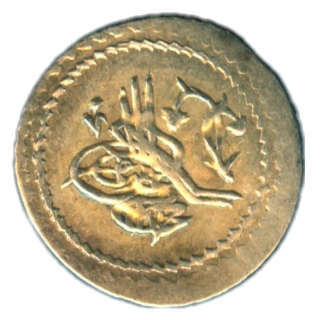 Obverse
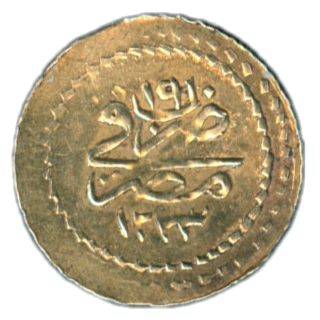 Reverse

ScanMyCoin: AI Coin Recognition
Professional AI coin recognition and collection management platform. Identify, learn, and track your coin collection with advanced AI technology and a vast.