

Egypt Egypt 1 zeri-mahbub, 1223 (1808)
Description:
1 zeri-mahbub Egypt 1 zeri-mahbub, 1223 (1808) coin from Egypt. Design, history & value.
Introduction
The Egypt 1 zeri-mahbub 1223 (1808) gold coin is a remarkable numismatic piece that reflects the reign of Sultan Mahmud II in Egypt. This coin holds historical significance and exquisite design elements that make it a coveted collectible among numismatists.
Historical Background
Issued during the reign of Sultan Mahmud II, this coin showcases the economic and political landscape of Egypt during the early 19th century. Sultan Mahmud II's rule marked a period of significant reforms and modernization efforts in Egypt, making coins from this era particularly interesting to collectors and historians alike.
Coin Images
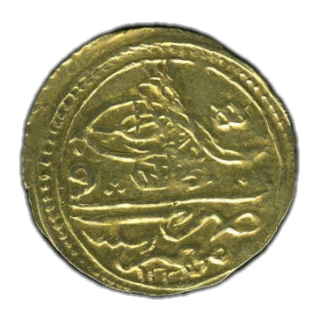 Obverse
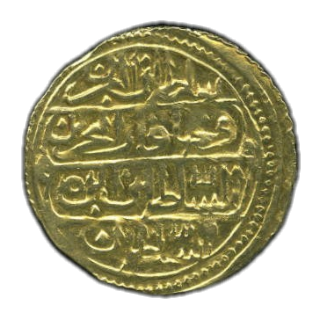 Reverse
Design Features
The obverse of the coin features a prominent Tughra, a calligraphic monogram of the sultan's name. The intricate design of the Tughra symbolizes the authority and power of Sultan Mahmud II. On the reverse side, the coin bears a legend whose exact interpretation is still unknown, adding an air of mystery to this historical artifact.
Technical Specifications
This gold coin weighs 2.25g and has a diameter of 25.00mm. With a gold composition of 0.875, this coin exemplifies the fine craftsmanship and attention to detail characteristic of coins minted during Sultan Mahmud II's reign.
Collectible Value
The Egypt 1 zeri-mahbub 1223 (1808) gold coin holds both historical and collectible value. Due to its association with Sultan Mahmud II and the intriguing design elements, this coin is highly sought after by collectors. Its rarity and historical significance contribute to its market value, making it a prized addition to any numismatic collection.
Conclusion
In conclusion, the Egypt 1 zeri-mahbub 1223 (1808) gold coin is a treasure trove of history and artistry. Through its unique design features and historical context, this coin stands as a testament to Egypt's numismatic heritage during Sultan Mahmud II's reign. Whether for historical interest or collecting purposes, this coin holds a special place in the world of numismatics.

ScanMyCoin: AI Coin Recognition
Professional AI coin recognition and collection management platform. Identify, learn, and track your coin collection with advanced AI technology and a vast.