

Egypt Egypt 1/40 qirsh, 1293 (1876)
Description:
1/40 qirsh Egypt 1/40 qirsh, 1293 (1876) coin from Egypt. Design, history & value.
Introduction
The Egypt 1/40 qirsh coin, minted in 1293 AH (1876 AD) during the reign of Sultan Abdul Hamid II, is a remarkable piece of numismatic history. This bronze coin offers insights into the rich heritage of Egypt and the Ottoman Empire.
Historical Background
Issued by Egypt, this coin reflects the era of Sultan Abdul Hamid II, who ruled from 1876 to 1909. His reign was marked by significant political and social changes, making coins from this period highly sought after by collectors and historians.
Coin Images
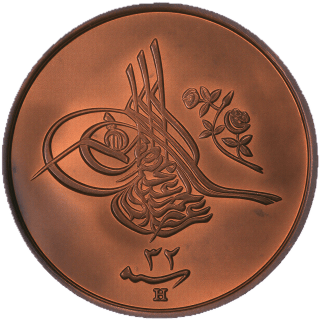 Obverse
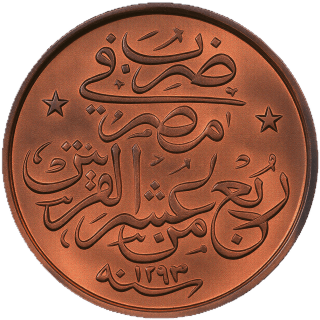 Reverse
Design Features
The obverse of the coin showcases a prominent Tughra, a stylized calligraphic monogram of the sultan's name. On the reverse, the inscription "١٢٩٣ / ربع من عشر القرش / ضرب في مصر" denotes the coin's date and denomination in Arabic script, highlighting its Egyptian origin.
Technical Specifications
This coin weighs 2.00 grams and has a diameter of 17.60mm, making it a small yet intricate piece of numismatic art. Crafted from bronze, it bears the craftsmanship typical of coins from the late 19th century.
Collectible Value
The Egypt 1/40 qirsh coin from the Sultan Abdul Hamid II era holds significant value among collectors. Its historical significance, coupled with its rarity, contributes to its desirability in the numismatic community. Collectors often seek this coin to enrich their collections with a piece of Ottoman and Egyptian history.
Conclusion
In conclusion, the Egypt 1/40 qirsh coin from 1876 is a treasure trove of history and artistry. Its association with Sultan Abdul Hamid II and the Ottoman Empire adds to its allure, making it a prized possession for both collectors and enthusiasts of numismatics. Acquiring this coin not only enhances a collection but also preserves a piece of Egypt's fascinating past. This detailed article provides a comprehensive overview of the Egypt 1/40 qirsh coin, shedding light on its historical significance, design intricacies, and collectible value.

ScanMyCoin: AI Coin Recognition
Professional AI coin recognition and collection management platform. Identify, learn, and track your coin collection with advanced AI technology and a vast.