

Dutch Republic Dutch Republic 6 stuivers, 1742-1794
Description:
6 stuivers Dutch Republic 6 stuivers, 1742-1794 coin from Dutch Republic. Design, history & value.
1. Introduction
The Dutch Republic 6 stuivers coin holds a significant place in the history of Dutch numismatics. Minted between 1742 and 1794, this silver coin is a testament to the economic and cultural heritage of the Dutch Republic during the 18th century.
2. Historical Background
Issued by the Dutch Republic, the 6 stuivers coin was part of the currency system in the region of Utrecht from 1710 to 1795. These coins played a vital role in everyday transactions and trade within the Dutch Republic, showcasing the economic prowess of the region during that era.
3. Design Features
The obverse of the coin features the inscription "MO NO AR ORDIN TRAIECT," highlighting its connection to the city of Utrecht. On the reverse, the Latin phrase "CONCORDIA RESPARVÆ CRESCUNT" signifies the growth and prosperity achieved through harmony.
4. Technical Specifications
This 6 stuivers coin has a weight of 4.95 grams and a diameter of 25.70mm. With a silver composition of 0.583, this coin reflects the standard purity of Dutch silver coins of that period.
5. Collectible Value
In the numismatic market, the Dutch Republic 6 stuivers coin is highly sought after by collectors due to its historical significance and unique design elements. Its rarity and connection to the Dutch Republic make it a valuable addition to any collection of Dutch coins from the 18th century.
6. Conclusion
The Dutch Republic 6 stuivers coin from 1742 to 1794 encapsulates the rich history and artistic craftsmanship of Dutch numismatics. Its intricate designs and historical context make it a prized possession for both coin collectors and enthusiasts of Dutch history. In conclusion, the Dutch Republic 6 stuivers coin stands as a symbol of the economic prosperity and cultural heritage of the Dutch Republic during the 18th century, making it a valuable and historically significant piece in the world of numismatics.
Coin Images
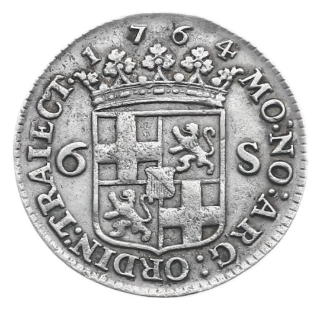 Obverse
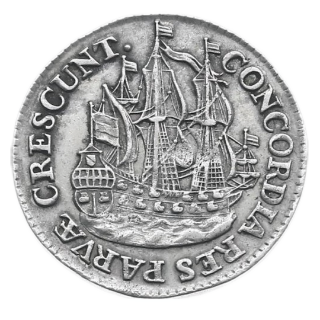 Reverse

ScanMyCoin: AI Coin Recognition
Professional AI coin recognition and collection management platform. Identify, learn, and track your coin collection with advanced AI technology and a vast.