

Denmark Denmark 1 søsling, 1631
Description:
1 søsling Denmark 1 søsling, 1631 coin from Denmark. Design, history & value.
1. Introduction
The Denmark 1 søsling 1631 coin holds a significant place in Danish numismatic history. Minted in 1631 during the Rigsdaler era, this silver coin showcases intricate designs reflecting the royal heritage of Denmark.
2. Historical Background
The Rigsdaler, a prominent currency in Denmark from 1625 to 1699, witnessed the issuance of the 1 søsling denomination in 1631. These coins were part of a monetary system based on silver that played a vital role in the Danish economy during the 17th century.
3. Design Features
The obverse of the Denmark 1 søsling 1631 coin displays dignified crowns symbolizing royalty or the Danish royal family. On the reverse, a legend or inscription, which remains unknown, adds an air of mystery to this historical piece.
4. Technical Specifications
This silver coin typically measures [specify size] and weighs [specify weight] grams. The composition of the coin is pure silver, reflecting the craftsmanship of Danish minting during the 17th century.
5. Collectible Value
Due to its historical significance and scarcity, the Denmark 1 søsling 1631 coin holds considerable value among collectors. Its rarity contributes to its desirability, making it a prized possession for numismatists interested in Danish currency.
6. Conclusion
In conclusion, the Denmark 1 søsling 1631 silver coin is not just a piece of currency but a tangible link to Denmark's rich numismatic heritage. Its exquisite design, historical context, and collectible value make it a coveted item for collectors seeking to own a piece of Danish history. By delving into the intricate details and historical significance of the Denmark 1 søsling 1631 silver coin, collectors and enthusiasts can appreciate the craftsmanship and artistry of Danish minting practices from the 17th century.
Coin Images
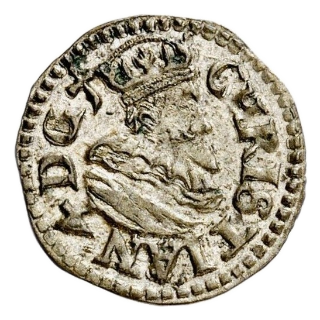 Obverse
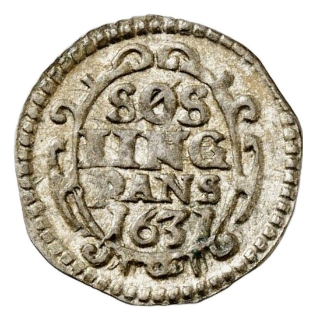 Reverse

ScanMyCoin: AI Coin Recognition
Professional AI coin recognition and collection management platform. Identify, learn, and track your coin collection with advanced AI technology and a vast.