

Demerara and Essequibo Demerara and Essequibo ¼ gulden, 1832-1835
Description:
¼ gulden Demerara and Essequibo ¼ gulden, 1832-1835 coin from Demerara and Essequibo. Design, history & value.
Title: Demerara and Essequibo ¼ gulden 1832-1835 Silver Coin - British Colony Rarity Description: Discover the historical significance of the Demerara and Essequibo ¼ gulden silver coin issued between 1832-1835. Keywords: Demerara and Essequibo, ¼ gulden, 1832-1835, British colony, silver coin, collectible, numismatic Main Content:
Introduction
The Demerara and Essequibo ¼ gulden coin holds a special place in numismatic history due to its association with the British colony of Demerara and Essequibo. Minted from 1832 to 1835, this silver coin reflects the economic and political landscape of the time, making it a valuable piece for collectors and enthusiasts.
Historical Background
Demerara and Essequibo, located in present-day Guyana, were once British colonies under the rule of King William IV. The issuance of the ¼ gulden coin was part of the British monetary system in these territories during the early 19th century. The coin's circulation played a crucial role in facilitating trade and commerce within the colonies.
Coin Images
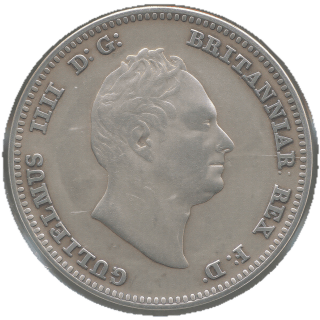 Obverse
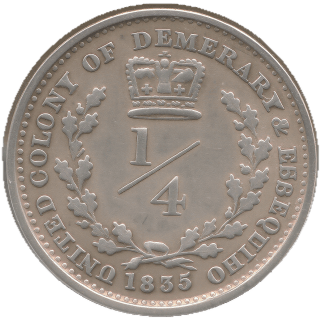 Reverse
Design Features
The obverse of the coin features the inscription "BRITANNIAR: REX F: D:" above the portrait of King William IV, with the legend "GULIELMUS IIII D: G:" below. On the reverse side, the coin displays the fraction "1/4" above the words "UNITED COLONY OF DEMERARY & ESSEQUIBO," emphasizing the colonial unity and governance structure.
Technical Specifications
This ¼ gulden coin has a weight of 1.94g and a diameter of 16.00mm, making it a compact yet significant piece of currency. Composed of silver with a purity of 0.817, the coin's specifications align with the standard of the era, reflecting the economic stability of the British colonies.
Collectible Value
Due to its historical significance and limited mintage period, the Demerara and Essequibo ¼ gulden coin holds both historical and collectible value. Numismatists and collectors value this coin for its rarity and connection to the British colonial era, making it a prized addition to any collection. The market value of these coins can vary based on their condition and historical demand.
Conclusion
In conclusion, the Demerara and Essequibo ¼ gulden silver coin from 1832-1835 stands as a testament to the colonial history of Guyana and the British Empire. Its unique design, historical context, and limited availability make it a sought-after piece for numismatists interested in British colonial coinage. Owning this coin not only adds a rare piece of history to a collection but also serves as a tangible link to a bygone era of trade and governance in the Caribbean region.

ScanMyCoin: AI Coin Recognition
Professional AI coin recognition and collection management platform. Identify, learn, and track your coin collection with advanced AI technology and a vast.