

Danish West Indies Danish West Indies 1 cent, 1913
Description:
1 cent Danish West Indies 1 cent, 1913 coin from Danish West Indies. Design, history & value.
Introduction
The Danish West Indies 1 cent coin, minted in 1913, holds a significant place in numismatic history. This bronze coin showcases intricate designs and represents a fascinating era in the Danish West Indies' monetary system.
Historical Background
The Danish West Indies, a former Danish colony in the Caribbean, issued this 1 cent coin as part of their currency system. The coin's circulation aimed to facilitate daily transactions and solidify the colony's ties to the Danish crown. The year 1913 marked a period of colonial governance before the islands were eventually sold to the United States in 1917.
Coin Images
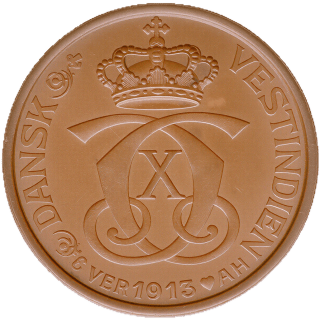 Obverse
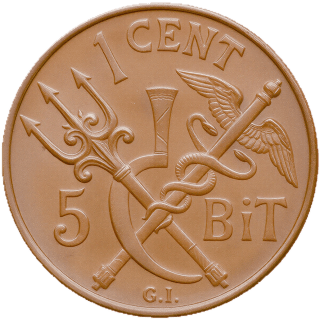 Reverse
Design Features
The obverse of the coin features the initials "AH" flanked by "DANSK VESTINDIEN" and "VBP," representing the issuing authority. On the reverse side, the denomination "1 CENT" is inscribed above "5 BiT" and "G.I.," adding to the coin's historical charm. The intricate detailing on both sides reflects the craftsmanship of the era.
Technical Specifications
This Danish West Indies 1 cent coin weighs 3.80g and has a diameter of 23.00mm. Crafted from bronze, the coin's composition adds to its durability and aesthetic appeal. The coin's specifications make it a tangible piece of history that collectors value for its intrinsic worth.
Collectible Value
Due to its historical significance and unique design, the Danish West Indies 1913 1 cent coin holds notable collectible value. Numismatists seek out this coin for its rarity and connection to a bygone era. Its market value fluctuates based on factors such as condition, demand, and historical relevance, making it a prized addition to any collection.
Conclusion
In conclusion, the Danish West Indies 1 cent coin from 1913 stands as a testament to the colonial past of the Caribbean region. Its intricate design, historical context, and collectible value make it a prized possession for both seasoned collectors and enthusiasts. Owning this coin not only adds diversity to a collection but also serves as a tangible link to a fascinating chapter in Danish and Caribbean history.

ScanMyCoin: AI Coin Recognition
Professional AI coin recognition and collection management platform. Identify, learn, and track your coin collection with advanced AI technology and a vast.