

Czechoslovakia Czechoslovakia 5 korun, 1951-1952
Description:
5 korun Czechoslovakia 5 korun, 1951-1952 coin from Czechoslovakia. Design, history & value.
1. Introduction
The Czechoslovakia 5 korun coin minted between 1951 and 1952 holds a significant place in numismatic history. Known for its aluminum composition and distinctive design, this coin offers collectors a glimpse into post-World War II Czechoslovakia.
2. Historical Background
Issued by Czechoslovakia, the 5 korun coin was part of the currency system of the Czechoslovak Republic (ČSR) from 1946 to 1960. This period marked a time of rebuilding and economic recovery for the country after the turmoil of the war.
3. Design Features
The obverse of the coin showcases the year 1952 with the inscription "REPUBLIKA ČESKOSLOVENSKÁ," emphasizing the country's identity. On the reverse, the numeral 5 is prominently displayed alongside the letter G, representing the denomination.
4. Technical Specifications
Crafted from aluminum, the Czechoslovakia 5 korun coin weighs 1.70 grams and measures 23.50mm in diameter. The use of aluminum was a practical choice due to its availability and durability for circulating currency.
5. Collectible Value
While the Czechoslovakia 5 korun coin may not carry a high monetary value, its historical significance and unique composition make it a desirable piece for collectors interested in Czechoslovak numismatics. The coin's rarity level adds to its collectible appeal, especially among enthusiasts focusing on post-war European coins.
6. Conclusion
In conclusion, the Czechoslovakia 5 korun coin from 1951-1952 stands as a tangible piece of Czechoslovakia's post-war history. With its aluminum composition, distinctive design elements, and historical context, this coin serves as a reminder of the country's resilience and economic recovery during a transformative period. By exploring the details and significance of the Czechoslovakia 5 korun coin, collectors and enthusiasts can appreciate its value beyond its denomination, adding a piece of Czechoslovak history to their numismatic collections.
Coin Images
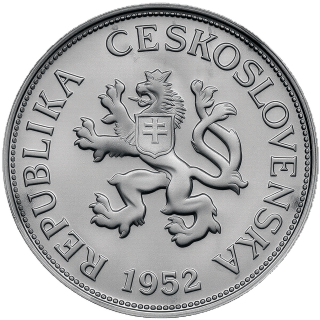 Obverse
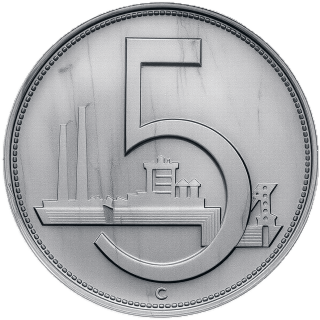 Reverse

ScanMyCoin: AI Coin Recognition
Professional AI coin recognition and collection management platform. Identify, learn, and track your coin collection with advanced AI technology and a vast.