

Crimea Crimea 1 beshlik, 1121 (1709)
Posted on: December 2, 2025
keywords: Crimea, Crimea 1 beshlik, 1121 (1709), 1 beshlik, coin collecting, numismatics, Crimea
Description:
1 beshlik Crimea 1 beshlik, 1121 (1709) coin from Crimea. Design, history & value.
- Introduction
The Crimea 1 beshlik silver coin minted in 1121 AH (1709 AD) under the Khanate of Crimea holds a significant place in numismatic history. This coin offers a glimpse into the rich cultural and economic heritage of the Crimean region during the 18th century. - Historical Background
The Khanate of Crimea, a Turkic-Mongol state, issued its own coinage during its existence from 1588 to 1783. The 1 beshlik denomination was commonly used in daily transactions, reflecting the economic prosperity and trade relations of the Khanate. - Design Features
The obverse of the coin bears a legend that remains unidentified, adding an air of mystery and intrigue to its allure. The reverse features various symbols that symbolize the cultural and religious beliefs prevalent in the region during that era. - Technical Specifications
This silver coin weighs 1.00g and is crafted with a high level of precision typical of coins from this period. The small size and intricate details make it a fascinating piece for collectors interested in historical coinage. - Collectible Value
Due to its historical significance and limited availability, the Crimea 1 beshlik coin is highly sought after by numismatists. Its rarity and connection to the Khanate of Crimea contribute to its value, making it a prized addition to any coin collection. - Conclusion
In conclusion, the Crimea 1 beshlik 1121 (1709) silver coin represents a tangible link to the past, offering collectors a chance to own a piece of Crimean history. Its unique design, historical context, and scarcity make it a valuable and cherished numismatic treasure. By exploring the intricacies of the Crimea 1 beshlik silver coin, collectors and enthusiasts can delve into the fascinating world of Crimean numismatics, appreciating the craftsmanship and historical significance encapsulated within this small but remarkable piece of history.
Coin Images
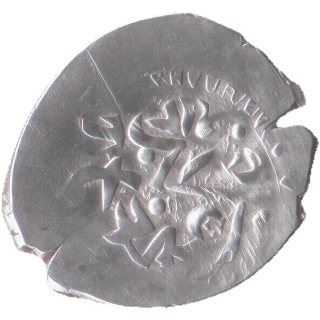 Obverse
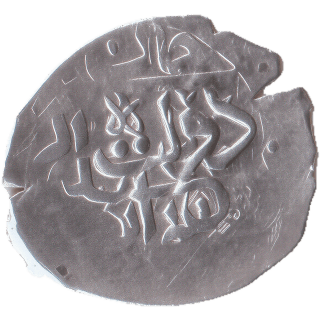 Reverse

ScanMyCoin: AI Coin Recognition
Professional AI coin recognition and collection management platform. Identify, learn, and track your coin collection with advanced AI technology and a vast.