

Colombia Colombia 2½ centavos, 1901
Description:
2½ centavos Colombia 2½ centavos, 1901 coin from Colombia. Design, history & value.
Introduction
The Colombia 2½ centavos 1901 coin holds a special place in numismatic history as part of the Leprosarium Coinage series. Issued in 1901 by Colombia, this brass coin served a distinct purpose within the country's currency system.
Historical Background
During the early 20th century, Colombia faced the challenge of providing currency specifically for leprosy colonies. The Leprosarium Coinage series, spanning from 1901 to 1928, including the 2½ centavos denomination, was introduced for use within these leprosariums. These coins were primarily used in isolated colonies to prevent the spread of leprosy, making them unique and historically significant.
Coin Images
 Obverse
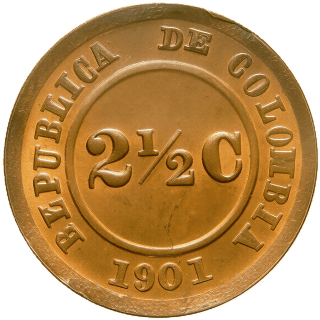 Reverse
Design Features
The obverse of the coin features the inscription "DOS Y MEDIO CENTAVOS" above "LAZARETO," signifying its value and association with leprosariums. On the reverse side, "2½C" is displayed above "REPUBLICA DE COLOMBIA," representing the denomination and the issuing authority.
Technical Specifications
This coin is crafted from brass, weighing 1.30 grams with a diameter of 14.00mm. The intricate design and small size make it a fascinating piece for collectors interested in unique and historical currencies.
Collectible Value
Due to its limited mintage and specialized use, the Colombia 2½ centavos 1901 coin holds significant collectible value. Numismatists and collectors often seek out these coins for their historical importance and rarity within the Leprosarium Coinage series. The market value of this coin can vary based on its condition and demand among collectors.
Conclusion
In conclusion, the Colombia 2½ centavos 1901 coin stands as a remarkable piece of numismatic history, reflecting the country's innovative approach to currency for leprosy colonies. Its distinctive design, historical significance, and collectible value make it a prized addition to any coin collection, appealing to both seasoned collectors and enthusiasts interested in unique coins with a rich historical background.

ScanMyCoin: AI Coin Recognition
Professional AI coin recognition and collection management platform. Identify, learn, and track your coin collection with advanced AI technology and a vast.