

China - Japanese China - Japanese 5 li, 1933-1934
Description:
5 li China - Japanese 5 li, 1933-1934 coin from China - Japanese. Design, history & value.
1. Introduction
The China-Japanese 5 li coin minted between 1933 and 1934 holds a unique place in numismatic history. As a product of the Manchukuo era, this bronze coin reflects a significant period of collaboration between China and Japan.
2. Historical Background
Issued during the Manchukuo era (1933-1945), a puppet state of Imperial Japan in Northeast China, the China-Japanese 5 li coin symbolizes the complex political dynamics of the time. This coin was part of an attempt to establish a new currency system under Japanese influence.
3. Design Features
The obverse of the coin features the inscription "國洲滿大" (Manchukuo) surrounded by a decorative border. On the reverse side, the denomination "五釐" (5 li) is prominently displayed. The simplicity and elegance of the design reflect the transitional nature of the period.
4. Technical Specifications
This bronze coin weighs 3.50g and has a diameter of 21.00mm. The choice of bronze as the composition metal was common for circulating coins during this era, offering durability and a distinct appearance.
5. Collectible Value
Due to its limited mintage and historical significance, the China-Japanese 5 li coin is highly sought after by collectors of Asian numismatics. Its rarity and connection to a pivotal moment in history contribute to its collectible value. Pricing for this coin can vary based on its condition and market demand.
6. Conclusion
In conclusion, the China-Japanese 5 li coin from 1933-1934 stands as a testament to the intertwined histories of China and Japan during the Manchukuo period. Its unique design, historical context, and collectible value make it a prized addition to any coin collection, offering a glimpse into a fascinating chapter of numismatic and political history.
Coin Images
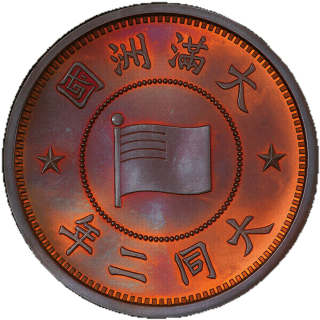 Obverse
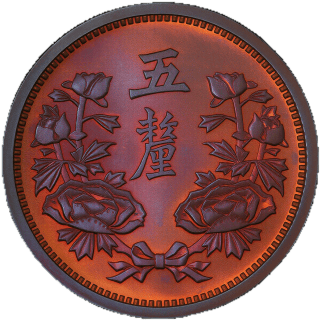 Reverse

ScanMyCoin: AI Coin Recognition
Professional AI coin recognition and collection management platform. Identify, learn, and track your coin collection with advanced AI technology and a vast.