

Ceylon Ceylon 50 cents, 1913-1917
Description:
50 cents Ceylon 50 cents, 1913-1917 coin from Ceylon. Design, history & value.
Introduction
The Ceylon 50 cents coin, featuring King George V, holds a significant place in the numismatic history of Ceylon. Minted between 1913 and 1917 during the reign of King George V, this silver coin is a prized collectible cherished by both coin enthusiasts and historians alike.
Historical Background
Issued by Ceylon, this coin reflects the colonial influence on the island's currency system during the British rule. The period of King George V's reign marked a crucial era in Ceylon's history, making these coins important artifacts that provide insights into the economic landscape of that time.
Coin Images
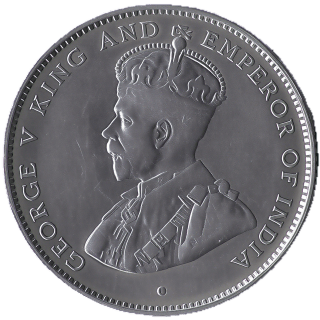 Obverse
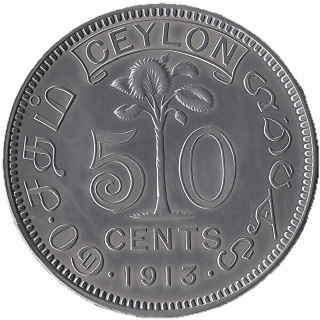 Reverse
Design Features
The obverse of the coin showcases the portrait of King George V with the inscription "GEORGE V KING AND EMPEROR OF INDIA." On the reverse side, the coin displays the denomination "50 CENTS" in Tamil and Sinhala scripts, along with the word "CEYLON" in English and Sinhala. The intricate design elements and bilingual inscriptions make this coin a unique piece of history.
Technical Specifications
- Denomination: 50 cents
- Composition: 80% silver
- Weight: 5.83g
- Diameter: 23.80mm
Collectible Value
Due to its limited mintage and historical significance, the Ceylon 50 cents coin from the King George V era holds a considerable collectible value. Collectors are drawn to its rarity, design intricacies, and the story it tells about Ceylon's past under British colonial rule. The market value of these coins may vary based on their condition and demand among collectors.
Conclusion
In conclusion, the Ceylon 50 cents 1913-1917 King George V silver coin stands as a tangible link to Ceylon's numismatic heritage and the reign of King George V. Its unique design, historical importance, and collectible value make it a prized possession for numismatists and history enthusiasts alike. Owning this coin not only adds value to a collection but also preserves a piece of Ceylon's colonial past for generations to come.

ScanMyCoin: AI Coin Recognition
Professional AI coin recognition and collection management platform. Identify, learn, and track your coin collection with advanced AI technology and a vast.