

Ceylon Ceylon 50 cents, 1902-1910
Posted on: December 2, 2025
keywords: Ceylon, Ceylon 50 cents, 1902-1910, 50 cents, coin collecting, numismatics, Ceylon
Description:
50 cents Ceylon 50 cents, 1902-1910 coin from Ceylon. Design, history & value.
- Introduction: The Ceylon 50 cents coin minted between 1902 and 1910 during the reign of King Edward VII holds immense historical and numismatic significance. This silver coin showcases the artistry and craftsmanship of the era, making it a prized collectible for enthusiasts.
- Historical Background: Issued by Ceylon, this coin reflects the colonial period when Ceylon was under British rule. The reign of King Edward VII marked a transition in British coinage, with designs reflecting the shift towards more modern aesthetics.
- Design Features: The obverse of the coin features a portrait of King Edward VII with the inscription "EDWARD VII KING AND EMPEROR." On the reverse side, the denomination "50 CENTS" is inscribed in Tamil, Sinhala, and English, along with the country name "CEYLON" in English and Sinhala script.
- Technical Specifications: This coin, composed of 80% silver, weighs 5.83g and has a diameter of 23.60mm. The intricate designs and precise details on the coin demonstrate the skilled craftsmanship of the minting process during that period.
- Collectible Value: Due to its historical significance and limited mintage, the Ceylon 50 cents coin from the Edwardian era is highly sought after by collectors. Its rarity and unique design elements contribute to its value in the numismatic market. Collectors often value this coin for its link to Ceylon's colonial past and its depiction of King Edward VII.
- Conclusion: In conclusion, the Ceylon 50 cents coin from 1902-1910 stands as a testament to the rich history of Ceylon during the reign of King Edward VII. Its exquisite design, historical significance, and collectible value make it a prized possession for both seasoned collectors and history enthusiasts alike. Owning this coin not only adds a valuable piece to a collection but also preserves a piece of Ceylon's colonial heritage.
Coin Images
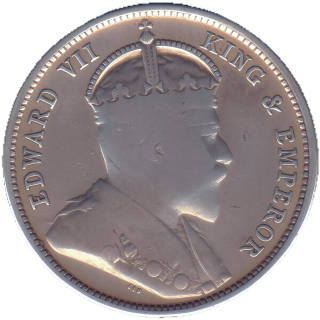 Obverse
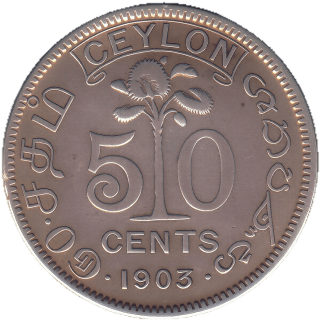 Reverse

ScanMyCoin: AI Coin Recognition
Professional AI coin recognition and collection management platform. Identify, learn, and track your coin collection with advanced AI technology and a vast.