

Ceylon Ceylon 1 cent, 1942-1945
Description:
1 cent Ceylon 1 cent, 1942-1945 coin from Ceylon. Design, history & value.
1. Introduction
The Ceylon 1 cent coin minted from 1942 to 1945 during the reign of King George VI holds a significant place in numismatic history. This bronze coin offers a window into the colonial past of Ceylon, now known as Sri Lanka, and showcases the artistry of the period.
2. Historical Background
Issued by Ceylon, this coin reflects the era of British colonial rule on the island. The reign of King George VI (1937-1952) was marked by various global events, including World War II, which influenced the production and circulation of coins in colonial territories like Ceylon.
3. Design Features
The obverse of the coin features a portrait of King George VI with the inscription "GEORGE VI KING AND EMPEROR OF INDIA." The reverse side displays the inscriptions "CEYLON," "ONE CENT," and the denominations in Tamil (சதம்) and Sinhala (සතය) languages, reflecting the island's cultural diversity.
4. Technical Specifications
- Composition: Bronze
- Weight: 2.35g
- Diameter: 22.35mm
- Denomination: 1 cent
- Issuing Authority: Ceylon
5. Collectible Value
The Ceylon 1 cent coin from the 1940s holds both historical and collectible significance. Its association with a significant period in Ceylon's history, coupled with its unique design elements, makes it sought after by collectors. The coin's rarity, especially in well-preserved condition, contributes to its collectible value.
6. Conclusion
In conclusion, the Ceylon 1 cent coin from 1942 to 1945 offers collectors a piece of history encapsulated in a small yet significant artifact. Its connection to King George VI's reign, the cultural nuances depicted on its design, and its technical specifications make it a valuable addition to any numismatic collection. By exploring the intricacies of the Ceylon 1 cent coin, collectors and enthusiasts alike can appreciate the artistry, history, and cultural context embedded in this numismatic treasure.
Coin Images
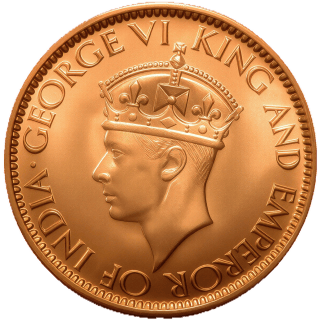 Obverse
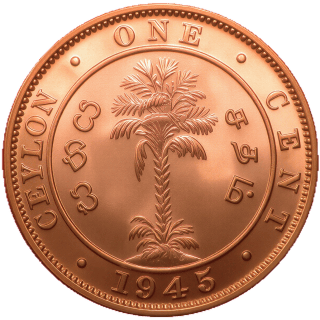 Reverse

ScanMyCoin: AI Coin Recognition
Professional AI coin recognition and collection management platform. Identify, learn, and track your coin collection with advanced AI technology and a vast.