

Canadian provinces Canadian provinces ½ penny, 1830-1841
Description:
½ penny Canadian provinces ½ penny, 1830-1841 coin from Canadian provinces. Design, history & value.
1. Introduction
The Canadian provinces ½ penny coin minted from 1830 to 1841 holds a significant place in numismatic history. This copper coin, denominated as half a penny, reflects the rich heritage of Lower Canada during the early to mid-19th century.
2. Historical Background
Issued by the Canadian provinces themselves, this coin was part of the currency system in Lower Canada from 1811 to 1841. It circulated alongside other denominations, contributing to the economic transactions of the time.
3. Design Features
The obverse of the coin features the inscription "CANADA," symbolizing its origin and place of circulation. On the reverse side, the clear and concise legend "HALF PENNY" indicates its denomination, making it easily recognizable for users.
4. Technical Specifications
This coin weighs 5.29 grams and has a diameter of 25.90mm, making it a substantial piece in terms of size and weight. Crafted from copper, it exemplifies the traditional materials used in coinage during that era.
5. Collectible Value
The Canadian provinces ½ penny coin is highly sought after by collectors due to its historical significance and scarcity. Its market value fluctuates based on factors such as condition, rarity, and demand in the numismatic community. Owning this coin adds a piece of Canadian history to any collection.
6. Conclusion
In conclusion, the Canadian provinces ½ penny coin is a remarkable numismatic piece that encapsulates the essence of early 19th-century Lower Canada. Its design, historical context, and collectible value make it a prized possession for both coin enthusiasts and historians alike. By delving into the intricacies of this coin, one can appreciate not only its tangible beauty but also the intangible stories it carries from a bygone era. The Canadian provinces ½ penny coin stands as a testament to the rich heritage and craftsmanship of early Canadian numismatics.
Coin Images
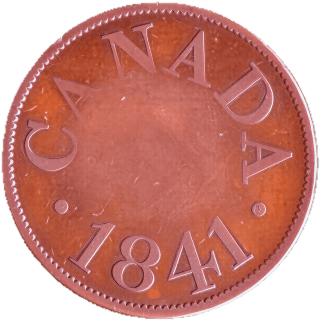 Obverse
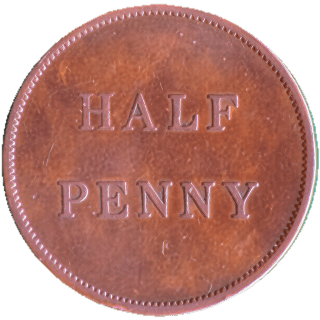 Reverse

ScanMyCoin: AI Coin Recognition
Professional AI coin recognition and collection management platform. Identify, learn, and track your coin collection with advanced AI technology and a vast.