

Bundi Bundi ¼ rupee, 1906-1909
Description:
¼ rupee Bundi ¼ rupee, 1906-1909 coin from Bundi. Design, history & value.
Introduction
The Bundi ¼ rupee silver coin minted between 1906 and 1909 holds a significant place in numismatic history. Issued by the princely state of Bundi, this coin showcases exquisite craftsmanship and historical importance that make it a prized possession for collectors worldwide.
Historical Background
The princely state of Bundi, located in present-day Rajasthan, India, had a rich numismatic tradition dating back centuries. During the British colonial era, Bundi issued its own coinage, including the ¼ rupee silver coin featuring the portrait of Edward VII, the Emperor of India.
Coin Images
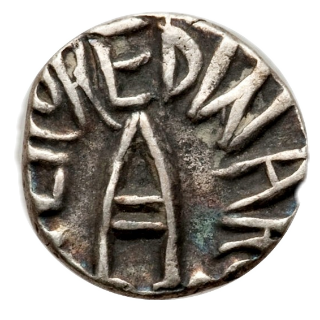 Obverse
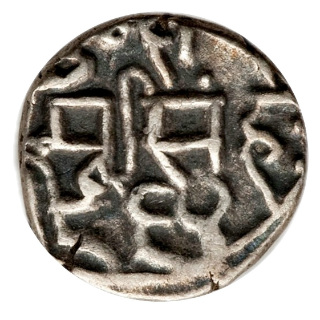 Reverse
Design Features
The obverse of the Bundi ¼ rupee coin displays the inscription "EDWARD VII EMPEROR," highlighting the monarch's authority during that period. The reverse side may feature intricate floral motifs, the Bundi coat of arms, or other symbolic elements representing the princely state's heritage and culture.
Technical Specifications
This silver coin weighs 2.80 grams and has a diameter of 17.00mm, making it a small yet valuable piece of history. Crafted with precision, the coin's composition of silver adds to its aesthetic appeal and collectible value.
Collectible Value
Due to its limited mintage and historical significance, the Bundi ¼ rupee silver coin is highly sought after by numismatists and collectors. The market value of this coin can vary based on factors such as condition, rarity, and demand in the numismatic community. Collectors often cherish this coin for its cultural significance and intricate design elements.
Conclusion
In conclusion, the Bundi ¼ rupee silver coin from 1906-1909 stands as a testament to the artistry and heritage of the princely state of Bundi. With its historical importance, unique design features, and collectible value, this coin remains a prized addition to any numismatist's collection. Embrace the allure of history and craftsmanship with the Bundi ¼ rupee silver coin.

ScanMyCoin: AI Coin Recognition
Professional AI coin recognition and collection management platform. Identify, learn, and track your coin collection with advanced AI technology and a vast.