

Bundi Bundi ½ paisa, 1916-1920
Posted on: December 2, 2025
keywords: Bundi, Bundi ½ paisa, 1916-1920, ½ paisa, coin collecting, numismatics, Bundi
Description:
½ paisa Bundi ½ paisa, 1916-1920 coin from Bundi. Design, history & value.
- Introduction: The Bundi ½ paisa coin minted between 1916-1920 is a numismatic treasure from the princely state of Bundi. This copper coin holds historical significance and intricate designs that attract collectors worldwide.
- Historical Background: The coin was issued by Bundi, a princely state in India that existed from 1858 to 1935. During the early 20th century, under British colonial rule, Bundi issued this ½ paisa coin bearing the portrait of Emperor George V.
- Design Features: The obverse of the coin features a detailed portrait of Emperor George V, a common design element on coins from British India during that era. The reverse side may showcase intricate patterns or symbols unique to Bundi's culture and heritage, symbolizing the state's identity.
- Technical Specifications: The Bundi ½ paisa coin weighs 5.00 grams and has a diameter of 16.00mm. Made of copper, this coin reflects the typical composition of lower denomination coins circulating in princely states during the British Raj.
- Collectible Value: Due to its historical significance and limited mintage period, the Bundi ½ paisa coin is highly sought after by collectors. Its value may vary based on factors like condition, rarity, and demand in the numismatic market. Collectors often prize such coins for their connection to a bygone era and the intricate artistry displayed on them.
- Conclusion: In conclusion, the Bundi ½ paisa copper coin from 1916-1920 encapsulates a fascinating chapter in Indian numismatic history. Its blend of historical context, intricate designs, and collectible rarity make it a prized possession for both coin enthusiasts and historians. Owning this coin not only adds a unique piece to a collection but also preserves a tangible link to the rich heritage of Bundi and British colonial India.
Coin Images
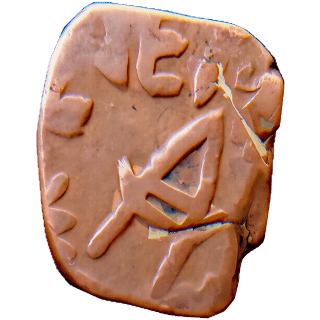 Obverse
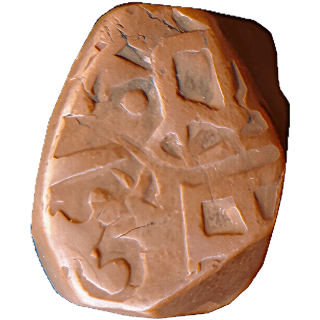 Reverse

ScanMyCoin: AI Coin Recognition
Professional AI coin recognition and collection management platform. Identify, learn, and track your coin collection with advanced AI technology and a vast.