

Brunswick-Wolfenbüttel Brunswick-Wolfenbüttel ⅓ thaler, 1771-1779
Description:
⅓ thaler Brunswick-Wolfenbüttel ⅓ thaler, 1771-1779 coin from Brunswick-Wolfenbüttel. Design, history & value.
Introduction
The Brunswick-Wolfenbüttel ⅓ thaler coin, minted between 1771 and 1779, stands as a remarkable piece of numismatic history from the Principality of Brunswick-Wolfenbüttel. Known for its intricate design and historical significance, this silver coin captivates collectors worldwide.
Historical Background
Issued by the Brunswick-Wolfenbüttel authority, this ⅓ thaler coin served as a medium of exchange during the late 18th century. The principality, located in present-day Germany, was renowned for its coinage tradition, making these pieces highly sought after by collectors and historians alike.
Coin Images
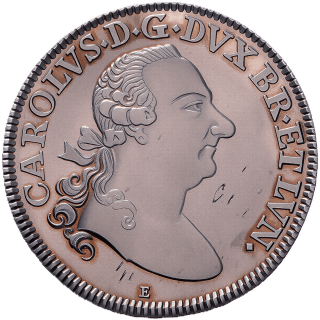 Obverse
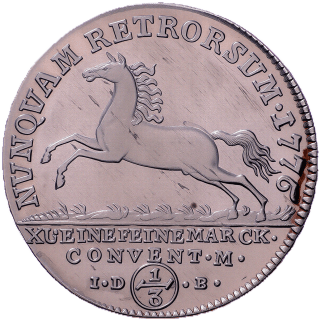 Reverse
Design Features
The obverse of the coin features the inscription "CAROLVS D G DVX BR ET LVN," highlighting the ruling authority of Charles, Duke of Brunswick and Lüneburg. On the reverse, the design showcases "1/3 CONVENT M NVNQVAM RETRORSVM XL EINE FEINE MARCK," denoting the coin's denomination and purity.
Technical Specifications
This Brunswick-Wolfenbüttel ⅓ thaler coin weighs 6.30 grams, with a diameter of 29.00mm. Crafted from silver, it embodies the fine craftsmanship and precision of the era. These technical details contribute to the coin's allure and desirability among collectors.
Collectible Value
Due to its historical significance and limited mintage period, the Brunswick-Wolfenbüttel ⅓ thaler coin holds considerable collectible value. Numismatists prize these coins for their rarity and unique design elements, making them a prized addition to any coin collection. The market value of these coins reflects their desirability and historical importance.
Conclusion
In conclusion, the Brunswick-Wolfenbüttel ⅓ thaler coin of 1771-1779 represents a fascinating blend of history, artistry, and numismatic value. With its exquisite design, historical significance, and collectible appeal, this silver coin remains a cherished piece in the world of numismatics. Owning a piece of Brunswick-Wolfenbüttel coinage not only adds diversity to a collection but also preserves a piece of European monetary history for generations to come.

ScanMyCoin: AI Coin Recognition
Professional AI coin recognition and collection management platform. Identify, learn, and track your coin collection with advanced AI technology and a vast.