

Brunswick-Wolfenbüttel Brunswick-Wolfenbüttel 1 pfennig, 1735
Description:
1 pfennig Brunswick-Wolfenbüttel 1 pfennig, 1735 coin from Brunswick-Wolfenbüttel. Design, history & value.
Introduction
The Brunswick-Wolfenbüttel 1 pfennig 1735 coin holds a significant place in numismatic history, representing the principality of Brunswick-Wolfenbüttel during the 18th century. This copper coin not only serves as a tangible link to the past but also showcases the artistic and technical prowess of the era.
Historical Background
Issued by the authority of Brunswick-Wolfenbüttel in 1735, this 1 pfennig coin was part of the coinage system prevalent during the principality's rule from 1714 to 1815. These coins were essential for everyday transactions and played a crucial role in the financial landscape of the region.
Coin Images
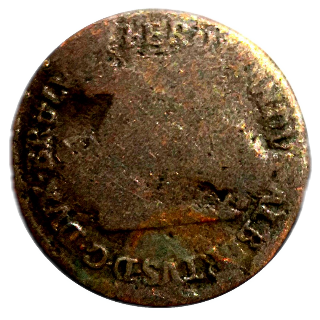 Obverse
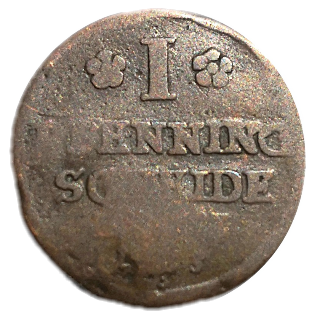 Reverse
Design Features
The obverse of the coin features the inscription "FERDINANDVS ALBERTVS D G DVX BR & LVN," highlighting the name and titles of Ferdinand Albert II, the Duke of Brunswick-Lüneburg. On the reverse, the denomination "I PFENNING" is accompanied by "SCHEIDE MUNTZ," indicating the coin's value and purpose.
Technical Specifications
This 1 pfennig coin weighs 2.30 grams and has a diameter of 22.00mm, typical for copper coins of the period. The use of copper as the composition metal ensured durability and widespread circulation, making these coins integral to the local economy.
Collectible Value
In the world of numismatics, the Brunswick-Wolfenbüttel 1 pfennig 1735 holds both historical and collectible significance. Its age, historical context, and limited availability contribute to its desirability among collectors. The market value of this coin varies based on its condition, rarity, and demand in the numismatic community.
Conclusion
The Brunswick-Wolfenbüttel 1 pfennig 1735 copper coin stands as a testament to the economic and cultural heritage of the principality. Its intricate design, historical importance, and collectible value make it a prized possession for both seasoned numismatists and history enthusiasts. Owning this coin not only adds a piece of history to one's collection but also serves as a tangible connection to a bygone era of numismatic artistry.

ScanMyCoin: AI Coin Recognition
Professional AI coin recognition and collection management platform. Identify, learn, and track your coin collection with advanced AI technology and a vast.