

Brunswick-Lüneburg Brunswick-Lüneburg ⅔ thaler, 1730-1743
Description:
⅔ thaler Brunswick-Lüneburg ⅔ thaler, 1730-1743 coin from Brunswick-Lüneburg. Design, history & value.
Introduction
The Brunswick-Lüneburg ⅔ thaler minted between 1730-1743 is a remarkable silver coin that holds historical significance and intricate designs. This coin is a testament to the numismatic artistry of the Electorate of Brunswick-Lüneburg during the early to mid-18th century.
Historical Background
Issued by the Brunswick-Lüneburg authority, this ⅔ thaler coin circulated during a period of political and economic significance in the region. The reign of George II as the ruler of Brunswick-Lüneburg marked a time of prosperity and cultural development, reflected in the coins minted during this era.
Coin Images
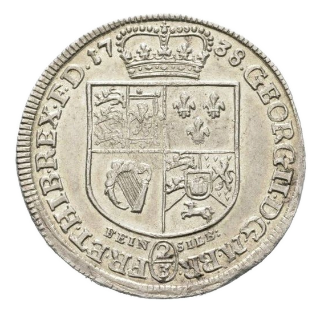 Obverse
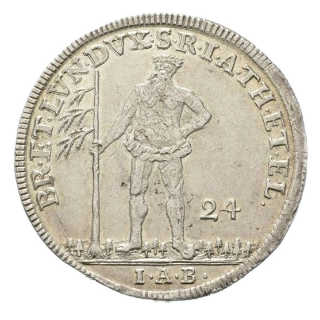 Reverse
Design Features
The obverse of the coin features the inscription "2/3 / FEIN SILB / GEORG II D G M BR FR ET HIB REX F D," highlighting the fractional denomination and the name and title of George II. The reverse showcases the numeral "24 / BR ET LVN DVX S R I ATH ET EL," denoting the value and the territorial titles of the Duke of Brunswick-Lüneburg.
Technical Specifications
This silver coin has a diameter of 36.00mm, showcasing a substantial size that adds to its visual appeal. Composed of silver, this coin carries a significant weight and metal value, making it a valuable addition to any numismatic collection.
Collectible Value
The Brunswick-Lüneburg ⅔ thaler from 1730-1743 holds both historical and collectible value. Its rarity and intricate designs make it a sought-after piece among coin collectors and numismatists. The market value of this coin is influenced by its condition, scarcity, and historical significance, making it a prized possession for enthusiasts.
Conclusion
In conclusion, the Brunswick-Lüneburg ⅔ thaler coin from the period of 1730-1743 stands as a testament to the rich history and artistic craftsmanship of the Electorate of Brunswick-Lüneburg. With its intricate designs, historical significance, and collectible value, this silver coin remains a cherished item among numismatists and collectors, preserving a piece of the region's past for generations to come.

ScanMyCoin: AI Coin Recognition
Professional AI coin recognition and collection management platform. Identify, learn, and track your coin collection with advanced AI technology and a vast.